
Learning to read sheet music doesn’t have to be slow. With the right approach, beginners can start recognizing patterns quickly—notes, rhythms, clefs, key signatures, and common symbols—so you can decode the page faster and focus more on playing or singing. Below is a practical beginner guide that breaks the process into clear, repeatable steps, helping you improve your reading speed without skipping the fundamentals.
Build Quick Recognition with a Simple 4-Step Reading Routine

One of the fastest ways to read sheet music is to follow a consistent routine every time you open a new piece. Start by scanning for the clef (treble or bass), then identify the key signature, and only then look at the first measure’s rhythm. When you’re comfortable, add the next layer: note names. A helpful shortcut is to treat each bar as a small “unit,” not a long stretch of symbols. For speed, practice reading in short bursts: set a timer for 30–60 seconds, read the next measure(s) silently first, then play them. Over time, you’ll stop translating each note from scratch and instead recognize familiar shapes and intervals. That’s how beginner reading becomes faster reading.
Turn Sheet Music into a Guided Map (Beginner-Friendly Strategy)

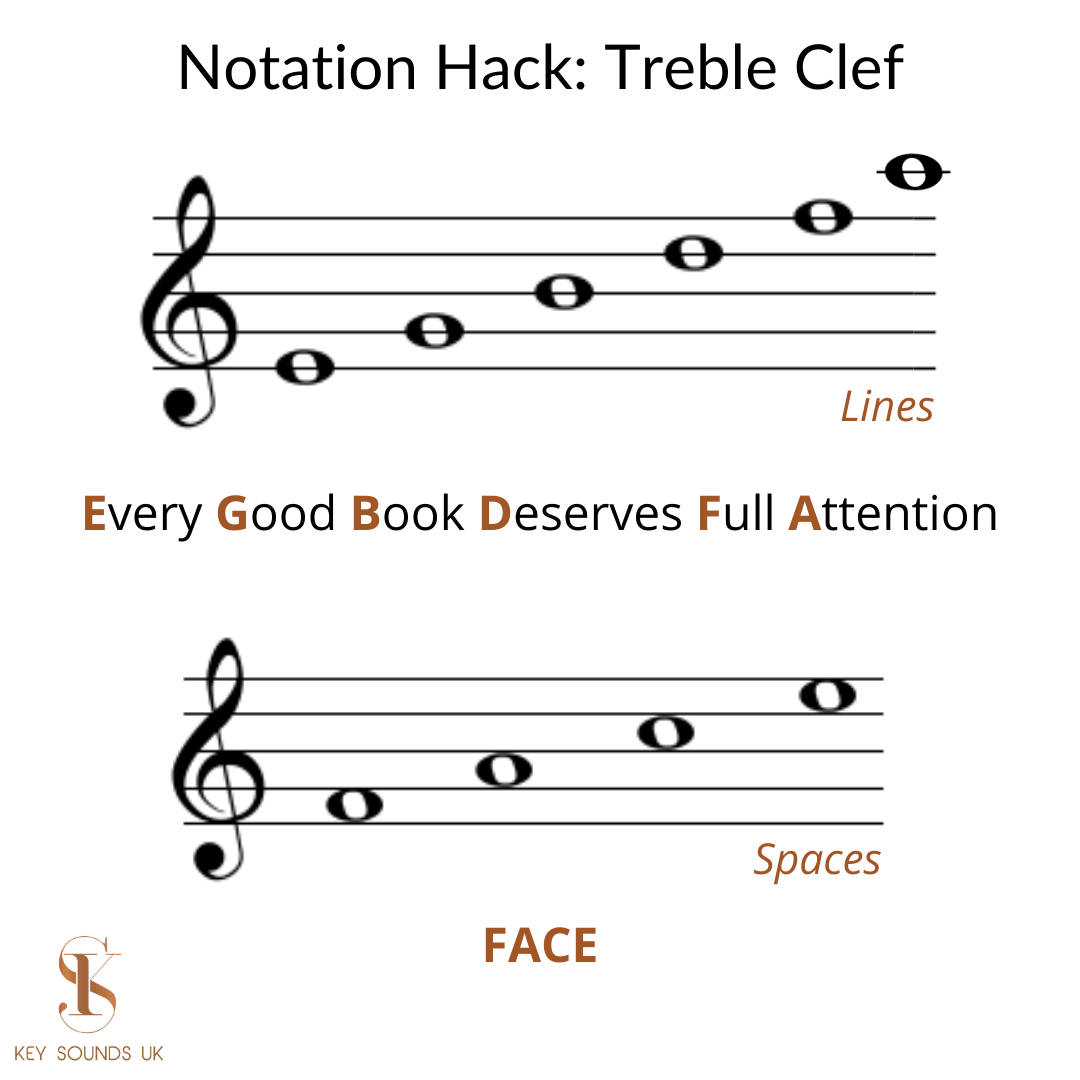
If sheet music feels overwhelming, it’s usually because you’re trying to read everything at once. To read faster, approach it like a guided map. First, learn what each part tells you: the staff lines and spaces for pitch, the time signature for rhythm structure, and the tempo markings for speed. Next, practice with “scanning habits.” Before playing, look for repeating patterns—same rhythm blocks, repeated notes, or repeated melodic fragments. Beginners often gain speed by learning to anticipate what comes next. For example, if you see a series of notes moving stepwise (mostly moving to the next line or space), your eyes can relax because your brain expects a “small movement” pattern. The more you train anticipation, the less you’ll hesitate while reading.
Master Tempo, Clefs, and Notes in the Right Order

Speed reading depends on sequencing. Many beginners try to interpret note names before they know how long the notes last. A better order is: (1) check the clef to know your pitch framework, (2) read the time signature to understand rhythmic grouping, and (3) interpret the tempo so your internal beat matches the page. Then move to note values and durations. When you understand how rhythms “fit” into each measure, you stop counting every note individually and begin feeling the measure’s structure. To practice, choose short excerpts and clap or tap the rhythm first, then add pitch. This reduces confusion because your brain separates two tasks—timing and pitch—so you can get faster at both.
Read More Smoothly by Practicing Patterns Instead of Isolated Notes

To become faster, shift your practice from “reading one note at a time” to “reading groups.” A common beginner bottleneck is pausing to identify every pitch. Instead, aim to read intervals and shapes. For instance, if you repeatedly see the same note returning, treat it as a landmark. If a melody rises stepwise, your eyes can follow the path rather than translating each symbol. Practice by marking the measure boundaries and counting divisions (like beats and subdivisions) until it feels automatic. Then, increase reading tempo gradually: start slow enough to stay accurate, and only speed up when your eyes can keep up. A great technique is sight-reading warmups: 5 minutes a day of simple pieces at a comfortable difficulty level builds confidence and speed far faster than only practicing challenging music.
Use Effective Techniques to Increase Sight-Reading Speed
There are several beginner techniques that directly improve reading speed. First, keep your eyes ahead of your fingers: look one or two notes forward and decide the rhythm pattern before you play it. Second, read with a metronome or tapping beat so your timing doesn’t drift. Third, practice “error recovery”—if you miss a note, don’t stop; continue by re-centering on the next beat and measure. Finally, use focused drills: identify note names quickly, then combine pitch and rhythm, then play while maintaining steady tempo. Over time, your brain learns common symbols and typical motion in melodies, and the page becomes less like a set of codes and more like a readable pattern.
If you are searching about How to Read Music Fast A 4-Step Beginner’s Guide to Reading Music you’ve came to the right page. We have 10 Images about How to Read Music Fast A 4-Step Beginner’s Guide to Reading Music like How To Read Sheet Music Faster | PDF | Clef | Notation, How To Read Sheet Music – A Step-By-Step Guide – Musicnotes Now | PDF and also How to Read Sheet Music For Beginners | PDF. Read more:
How To Read Music Fast A 4-Step Beginner’s Guide To Reading Music
www.scribd.com
How to Read Music Fast A 4-Step Beginner’s Guide to Reading Music …
How To Read Sheet Music For Beginners: A Comprehensive Guide To
www.scribd.com
How to Read Sheet Music for Beginners: A Comprehensive Guide to …
How To Read Sheet Music – A Step-By-Step Guide – Musicnotes Now | PDF

www.scribd.com
How To Read Sheet Music – A Step-By-Step Guide – Musicnotes Now | PDF …
How To Read Sheet Music Faster
www.keysoundsuk.com
How to Read Sheet Music Faster
How To Read Sheet Music (A Beginner’s Guide)
www.carvedculture.com
How to Read Sheet Music (A Beginner’s Guide)
How To Read Sheet Music | PDF | Tempo | Clef
www.scribd.com
How to read Sheet Music | PDF | Tempo | Clef
How To Read Sheet Music For Beginners | PDF
www.scribd.com
How to Read Sheet Music For Beginners | PDF
8 Tips To Read Sheet Music Faster

enthu.com
8 Tips to Read Sheet Music Faster
Learn To Read Sheet Music Faster: Effective Techniques |SheetMusicGo
www.sheetmusicgo.com
Learn to Read Sheet Music Faster: Effective Techniques |SheetMusicGo
How To Read Sheet Music Faster | PDF | Clef | Notation

www.scribd.com
How To Read Sheet Music Faster | PDF | Clef | Notation

