
When you look at a page of sheet music for the first time, the symbols can feel like a code written for someone else. But here’s the shift in perspective that changes everything: sheet music isn’t trying to “show off” complexity—it’s simply communicating a clear set of ideas about time, pitch, and how notes should be played. Once you start recognizing a few key note types (and what they do), the page stops feeling mysterious and starts feeling like a map.
Sheet Music Notes Cheat Sheet: Your Personal Decoder Ring

A cheat sheet isn’t just convenient—it’s a bridge between “I don’t get this” and “I can read this.” The first thing to notice is that different note symbols often indicate different durations. For example, certain notes last longer than others, and the rhythm you play depends on that duration. At the same time, the note’s position on the staff helps you figure out pitch. Think of the staff as a ladder: higher positions generally mean higher pitch, while lower positions mean lower pitch. Once your eyes learn to jump to “where the note sits” and “what shape it is,” reading becomes less like memorizing and more like pattern recognition.
Sheet Music Notes & Visual Patterns: Why It Feels Like Learning a New Language

Many beginners assume that reading music means knowing every symbol perfectly from day one. But curiosity helps you approach it differently: ask what each symbol is “trying to tell you.” Does it look like a note with a filled center or an empty one? Does it have a stem? Are there flags at the end? Those visual clues often correspond to how long the note lasts. Now here’s the fun part: when you match the symbol to its duration, the rhythm begins to “click” even if you don’t know the name of the note yet. Over time, your brain starts predicting the next symbol before you even consciously process it—like becoming fluent through repetition.
A Quick Guide to Musical Notes: Start with the Big Categories
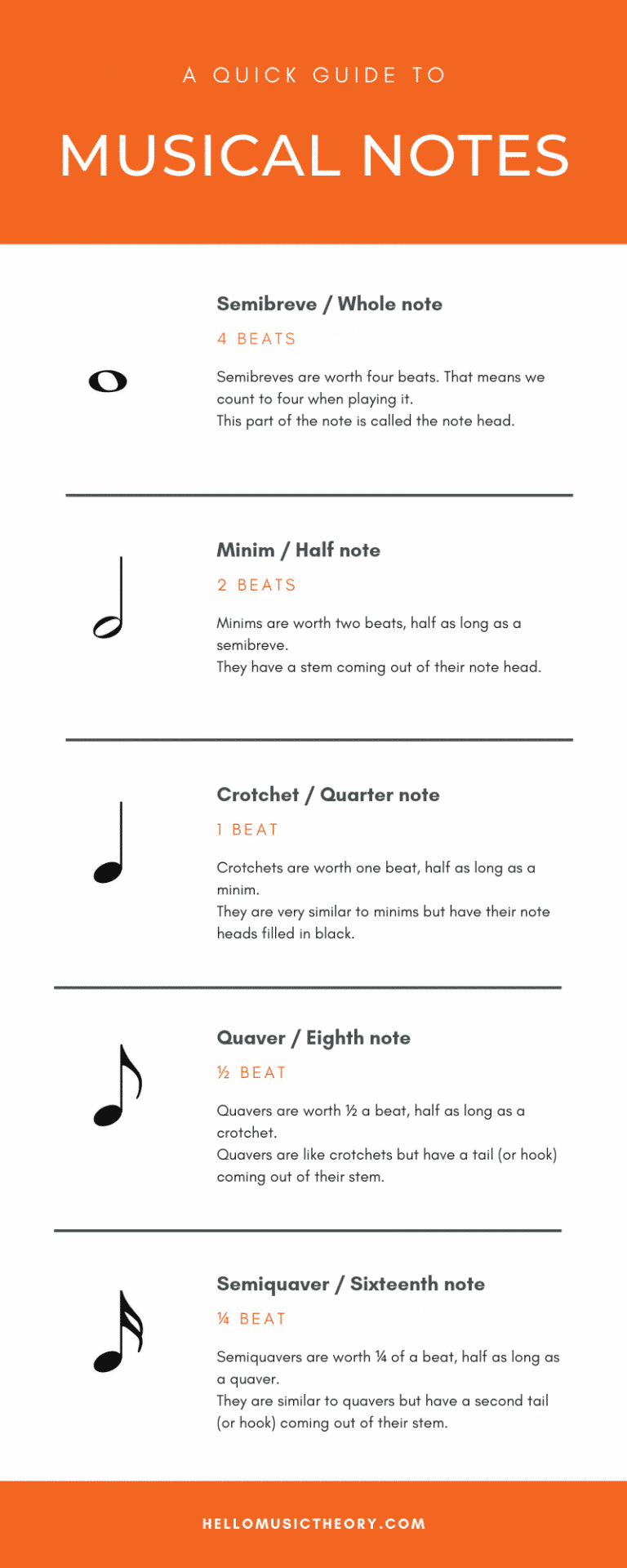
If you want to grow beyond the first symbols, group notes into categories. Many beginner guides emphasize note values—whole notes, half notes, quarter notes, eighth notes, and so on—because these are the building blocks of rhythm. Whole notes typically feel “resting,” half notes less so, and quarter notes often become the heartbeat of many songs. Eighth notes bring movement and speed, and smaller note values can layer into more complex rhythms. Instead of trying to memorize everything at once, practice by listening and tapping along: clap when you see quarter notes, stretch when you see whole notes, and notice how the “energy” changes as the note values get smaller.
200 Types of Music Notes: Don’t Fear the Variety—Follow the Rules

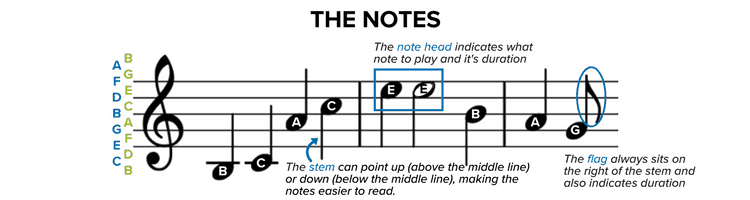
It’s easy to feel overwhelmed when you see a chart claiming “200 types.” But remember: most of those are refinements of a few core ideas. The heart of note reading usually comes back to the same rule set—noteheads, stems, flags, and sometimes ties or dots. A “new” note symbol often isn’t truly new; it’s a variation that changes duration or how notes connect. Here’s a curiosity hook: next time you’re reading, look for relationships. Are notes separate, or are they tied together? Are dots extending the time? Are there patterns repeating? By treating the page like a system rather than a collection of facts, the variety becomes approachable.
Easy Piano Sheet Music for Beginners: Notes Come Alive on the Staff
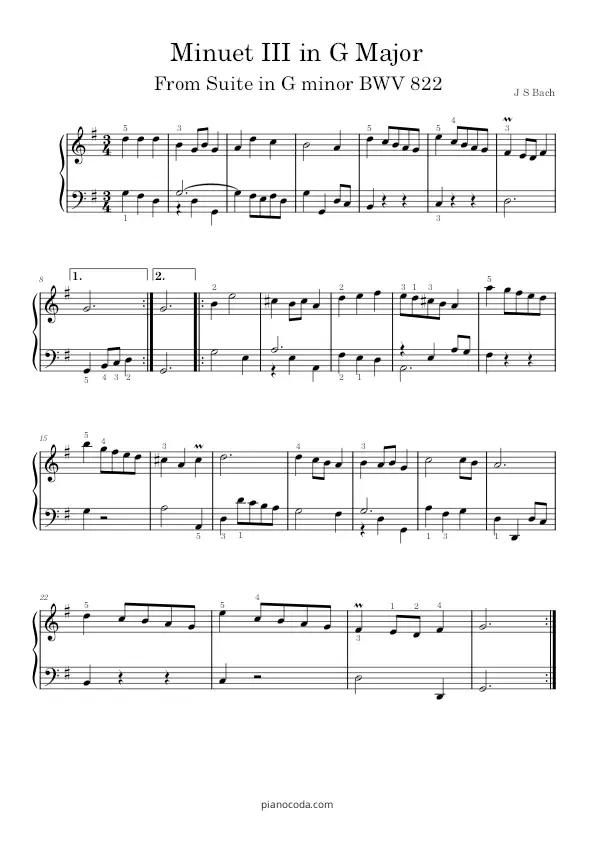
The ultimate goal isn’t recognizing symbols in isolation—it’s playing them. Beginner piano pieces are perfect because they let you connect note types to real sound. As you scan the staff, focus on two things first: where the note is placed (pitch) and what the note type implies about length (duration). Then start to notice musical phrasing: do notes move step-by-step like a gentle walk, or leap like a sudden jump? When you can interpret note types and their timing, the staff stops looking like math and starts sounding like music. And once you hear what you’re reading, you’ll likely feel something exciting: “I can do this.”
Keep going with small wins—identify note types, tap the rhythm, and let your ears do the guiding. Sheet music is less of a mystery and more of an invitation.
If you are searching about Beginner Notes Sheet Music Downloads | Musicnotes.com you’ve visit to the right place. We have 10 Images about Beginner Notes Sheet Music Downloads | Musicnotes.com like Beginner Notes Sheet Music Downloads | Musicnotes.com, Easy Piano Sheet Music for Beginners in PDF – Pianocoda and also Types Of Musical Notes | Hello Music Theory. Read more:
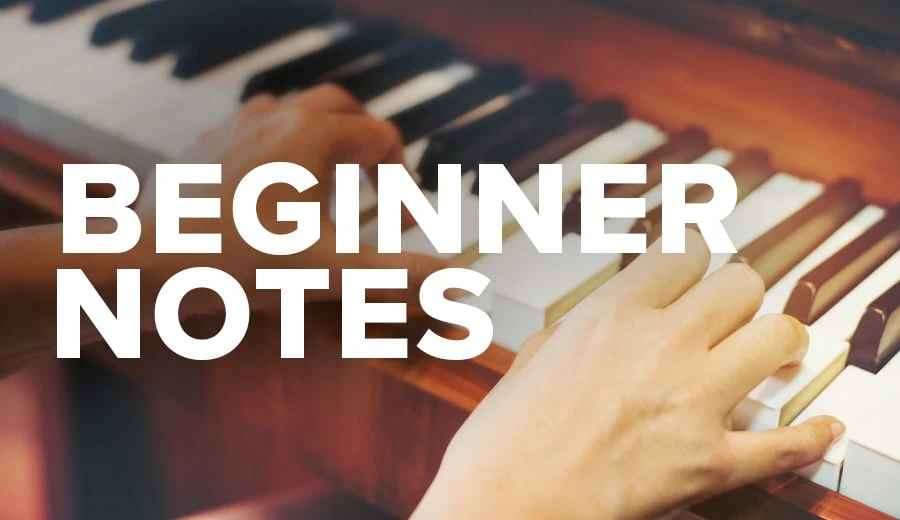
Beginner Notes Sheet Music Downloads | Musicnotes.com
www.musicnotes.com
Beginner Notes Sheet Music Downloads | Musicnotes.com
How To Read Sheet Music: A Step-by-Step Guide – Musicnotes
www.musicnotes.com
How to Read Sheet Music: A Step-by-Step Guide – Musicnotes
Easy Piano Sheet Music For Beginners In PDF – Pianocoda
pianocoda.com
Easy Piano Sheet Music for Beginners in PDF – Pianocoda
Introduction To Reading Music: Types Of Notes Handout For 9th – 10th

www.lessonplanet.com
Introduction to Reading Music: Types of Notes Handout for 9th – 10th …
Piano Beginner Notes Reference Sheet | Free PDF Download | Piano With

www.pianowithlauren.com
Piano Beginner Notes Reference Sheet | Free PDF Download | Piano with …
Music Sheet Guide At Kathleen Jacobs Blog
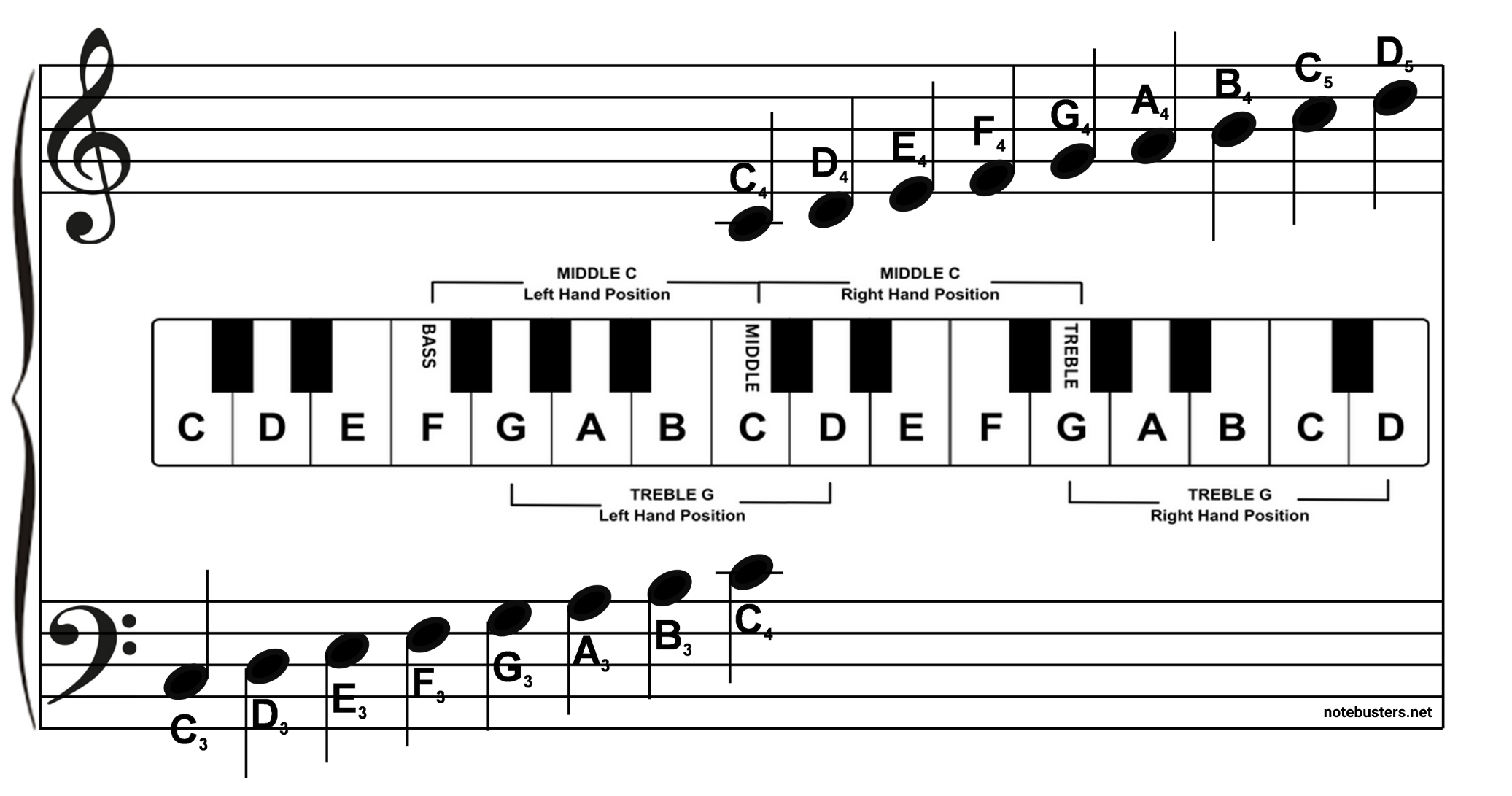
giowxwruj.blob.core.windows.net
Music Sheet Guide at Kathleen Jacobs blog
Sheet Music Notes Cheat Sheet At Matthew Clegg Blog
storage.googleapis.com
Sheet Music Notes Cheat Sheet at Matthew Clegg blog
Sheet Music Notes – Artofit
www.artofit.org
Sheet music notes – Artofit
200 Types Of Music Notes Stock Photos, High-Res Pictures, And Images
www.gettyimages.ie
200 Types Of Music Notes Stock Photos, High-Res Pictures, and Images …
Types Of Musical Notes | Hello Music Theory
hellomusictheory.com
Types Of Musical Notes | Hello Music Theory

