
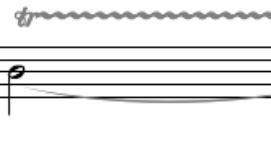
On sheet music, the squiggly line is like a tiny breadcrumb trail left by the composer—small, looping marks that hint at motion, flavor, and personality. It’s the musical equivalent of a raised eyebrow: you may not notice it at first, but once you do, everything sounds a little more alive. Depending on the exact shape, length, and placement, this curlicue can change how a note is “told,” turning a straightforward pitch into something that sparkles, stirs, or lingers. In this way, the squiggly line doesn’t just represent a technique—it adds a narrative rhythm to the page, guiding your fingers and shaping the emotion you hear.
Arpeggiation: Turning a Chord into a Story

Some squiggly lines suggest that a chord isn’t meant to arrive all at once. Instead, the notes are peeled open like petals—one after another—creating a flowing shimmer. When you see this kind of arpeggiated cue, imagine the harmony as a waterfall rather than a solid wall. Your timing becomes the engine: play the chord tones in order, letting the line’s curve “pull” you forward. The unique appeal here is how effortlessly arpeggiation can make music feel fuller without adding extra notes. Even a simple chord can sound expansive, as if the instrument is breathing. For pianists, guitarists, and singers alike, this technique can transform “static” harmony into a living texture, making listeners feel movement even when the harmony barely changes.
Guitar Strum + Arpeggiated Motion: Rhythm with a Twist
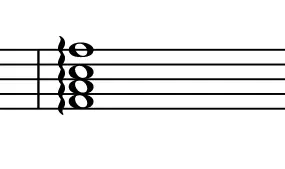
In many musical styles, the squiggly line becomes a coordination tool—telling you that a “strum idea” should be treated with arpeggiated detail. Think of it as a conductor’s gesture that says, “Yes, move rhythmically—but don’t blur the harmony.” When arpeggiation blends with strumming, the result is both grounded and shimmering: rhythmic certainty from the beat, plus melodic clarity from the ordered chord tones. This is one reason the squiggly line is so beloved by composers and performers: it’s compact but expressive. A single mark can imply whether the chord should sound like a gentle ripple, a bright flourish, or an elegant burst. If you’ve ever heard a guitar part feel simultaneously percussive and musical, the squiggly line is often part of the magic behind that balance.
Mordents: A Quick, Biting Flash of Ornament
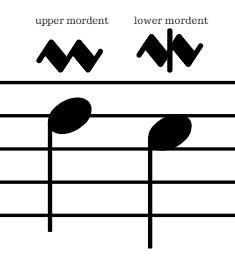
Not all squiggles mean “roll the chord.” Some mean “spark the note.” A mordent is like a lightning flicker: a rapid alternation that briefly colors the pitch without turning it into a full melody. If you imagine the main note as the sun, the mordent is the momentary wink of light on the surface—quick, precise, and full of character. The challenge (and the appeal) is restraint: too slow and it sounds clunky; too fast and it loses definition. When done right, a mordent makes a phrase feel pointed and energized, as if the music has a secret grin. It also helps shape articulation, making transitions feel intentional. This is why ornamental squiggles matter: they turn “correct notes” into expressive language, letting your playing sound like it’s speaking rather than simply sounding.
Interpreting the Squiggle: The Key to Accurate Nuance

Sometimes the squiggly line looks deceptively similar across contexts, which is exactly why it’s so important to interpret it in the right musical “sentence.” The same visual gesture can mean different techniques depending on the style, the instrument, and the surrounding notation. This is where the squiggle becomes more than a symbol—it becomes a decoder ring. Look at what’s near it: is the music suggesting a chord that should unfold, or a single note that needs decoration? Is the marking short and tight (often pointing toward quick ornaments), or more extended (suggesting rolling harmony)? When you treat the squiggle as a clue rather than a decoration, you unlock the composer’s intended tone. The unique appeal is that, once you learn the patterns, you can “hear” the mark before you even play it—your performance becomes more confident, more musical, and far more personal.
Putting It All Together: A Complete Palette of Musical Meaning
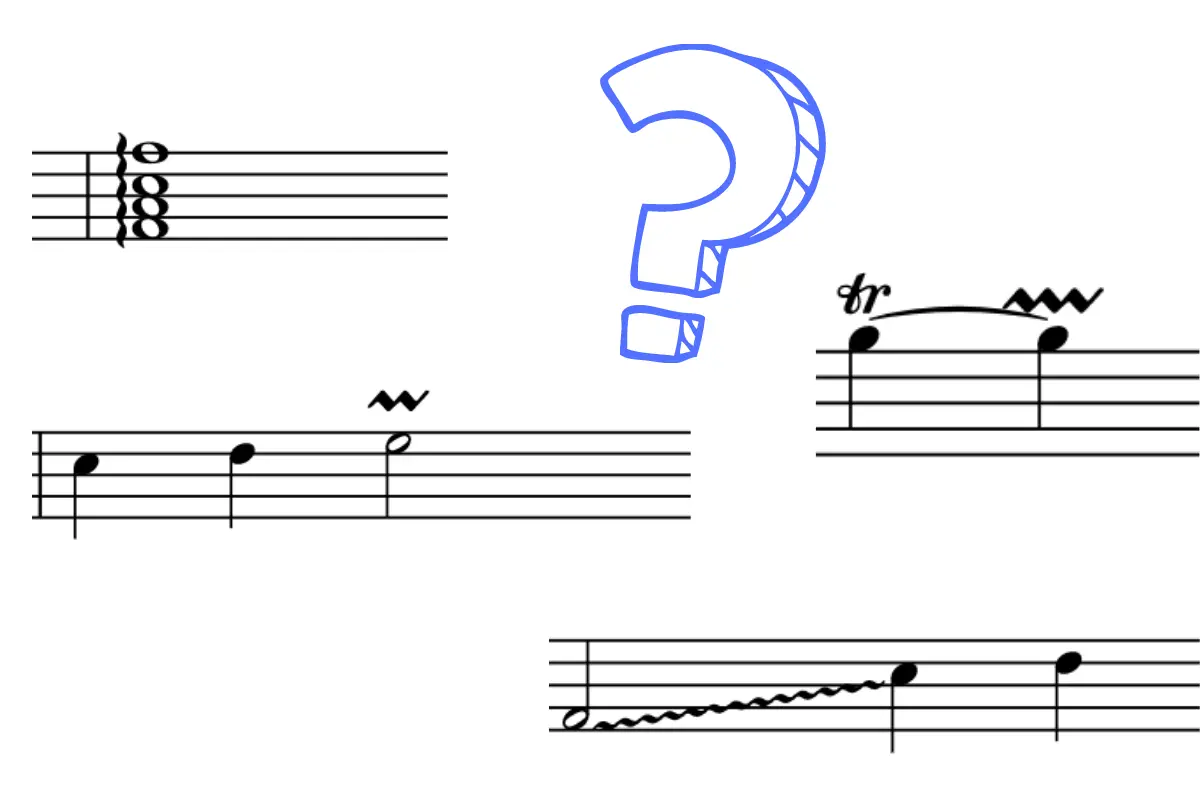
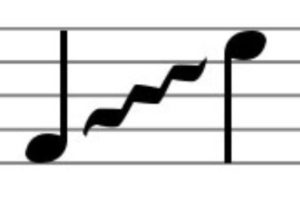
Think of the squiggly line as a small palette of tones. One curve may tell you to unfold harmonies; another may tell you to flicker a single pitch with ornament; yet another might guide a composite gesture that combines rhythm and articulation. What makes the squiggle so fascinating is its efficiency: it communicates nuance without long explanations. On the page, it’s a shorthand for “don’t play this like you’re reading a paragraph—play it like you’re telling a story.” When performers approach it with curiosity, these marks stop being confusing and start becoming expressive tools. The music gains sparkle, tension, release, and motion—sometimes all within a single bar. In other words, the squiggly line doesn’t just change how notes sound; it changes how notes feel. And when that happens, the sheet music stops being silent ink and becomes a living map of tone.
If you are looking for What Does the Squiggly Line Mean in Music? | pianotels.com you’ve came to the right page. We have 10 Pictures about What Does the Squiggly Line Mean in Music? | pianotels.com like What Does Squiggly Line Mean In Music? – RiffRevel, What Does Squiggly Line Mean In Music? – RiffRevel and also What Does The Squiggly Line Mean In Music? All The Ways! – Dynamic. Here it is:
What Does The Squiggly Line Mean In Music? | Pianotels.com
pianotels.com
What Does the Squiggly Line Mean in Music? | pianotels.com
What Does The Squiggly Line Mean In Music? All The Ways! – Dynamic
dynamicmusicroom.com
What Does The Squiggly Line Mean In Music? All The Ways! – Dynamic …
What Does The Squiggly Line Mean In Music? | Pianotels.com
pianotels.com
What Does the Squiggly Line Mean in Music? | pianotels.com
What Does Squiggly Line Mean In Music? – RiffRevel

riffrevel.com
What Does Squiggly Line Mean In Music? – RiffRevel
What Does The Squiggly Line Mean In Music? | Pianotels.com
pianotels.com
What Does the Squiggly Line Mean in Music? | pianotels.com
What Does The Squiggly Line Mean In Music? | Pianotels.com
pianotels.com
What Does the Squiggly Line Mean in Music? | pianotels.com
What Does Squiggly Line Mean In Music? – RiffRevel

riffrevel.com
What Does Squiggly Line Mean In Music? – RiffRevel
What Does Squiggly Line Mean In Music? – RiffRevel
riffrevel.com
What Does Squiggly Line Mean In Music? – RiffRevel
What Does The Squiggly Line Mean In Music? All The Ways! – Dynamic
dynamicmusicroom.com
What Does The Squiggly Line Mean In Music? All The Ways! – Dynamic …
What Does Squiggly Line Mean In Music? – RiffRevel
riffrevel.com
What Does Squiggly Line Mean In Music? – RiffRevel

