Turning song lyrics into sheet music sounds like magic—especially when you’ve ever watched a melody float through your head and thought, “I wish I could see this on the page.” It’s a common observation that most people can read words easily, but transforming those words into a playable rhythm and harmony feels mysterious. Yet the fascination makes sense: lyrics already contain natural cues for phrasing, stress, and cadence. With a beginner-friendly method, you can translate those cues into musical structure—turning what you hear (and say) into something you can study, practice, and share.
From Words to Notes: The Step-by-Step Mindset
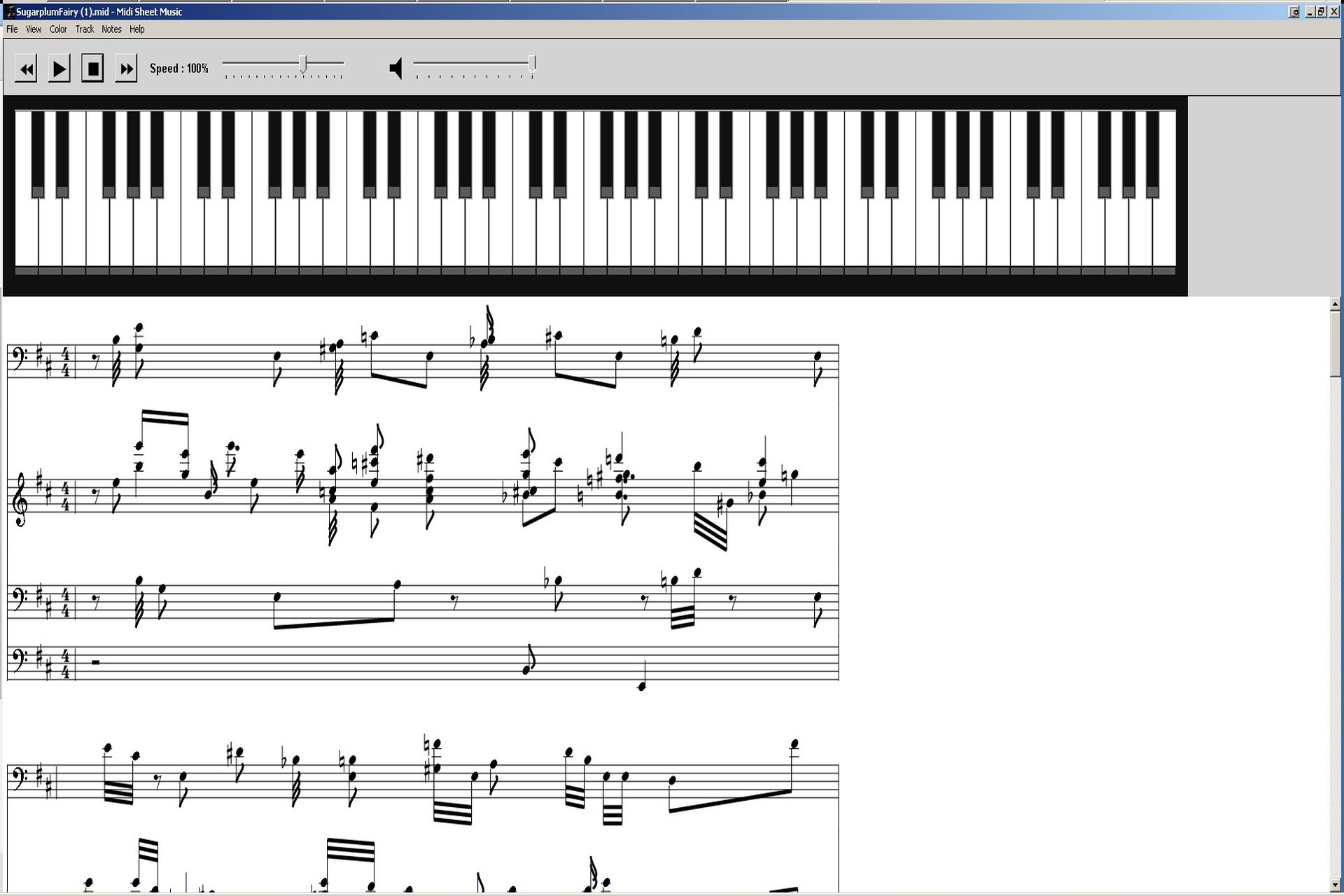
One of the easiest ways to start is to think of lyrics as a “performance script” rather than as text only. Begin by speaking the lyrics out loud, tapping a steady pulse underneath. Then notice where the voice naturally rises, pauses, or lands—those moments often correspond to musical events like beats, measures, and phrase endings. If you already have any melody input (even a rough one), treating it like a structured sequence makes notation less intimidating. Deeper down, this works because music and language share timing: both rely on patterns in timing, emphasis, and repetition.
Using the Tunester Method: Why the Translation Feels Effortless
Beginners often assume that turning lyrics into sheet music requires advanced theory. In reality, a structured workflow is what creates confidence. A “method” approach helps you decide what to do at each stage: first set tempo, then map syllables to beats, then choose a simple scale for pitches. The reason it feels almost automatic once you begin is that your brain is already tracking language rhythm. When you align syllables with a beat grid, you’re using a skill you naturally have—just applied to music. Over time, those repeated patterns become melodies, and those melodies become notation.
Easy Piano Sheet for Beginners: Start Small, Make It Playable
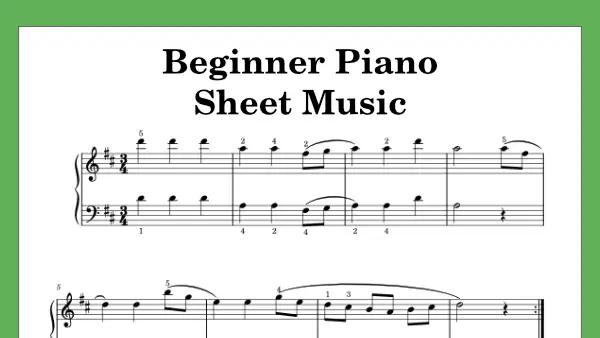
If your goal is “sheet music I can actually play,” don’t start by aiming for complex arrangements. Choose a simple key and keep the pitch range tight. Then convert one short lyric section—maybe two lines—into a short musical phrase. For example, you can assign each syllable to a single note (or alternate between one note and a held note for longer sounds). The common observation here is that beginners get overwhelmed by how many symbols appear on a page; the deeper reason notation can feel fascinating is that it’s a bridge between imagination and precision. Every measure you fill in is proof that your ideas can be captured reliably.
Beginner Pieces for Inspiration: Turn One Verse into a Theme
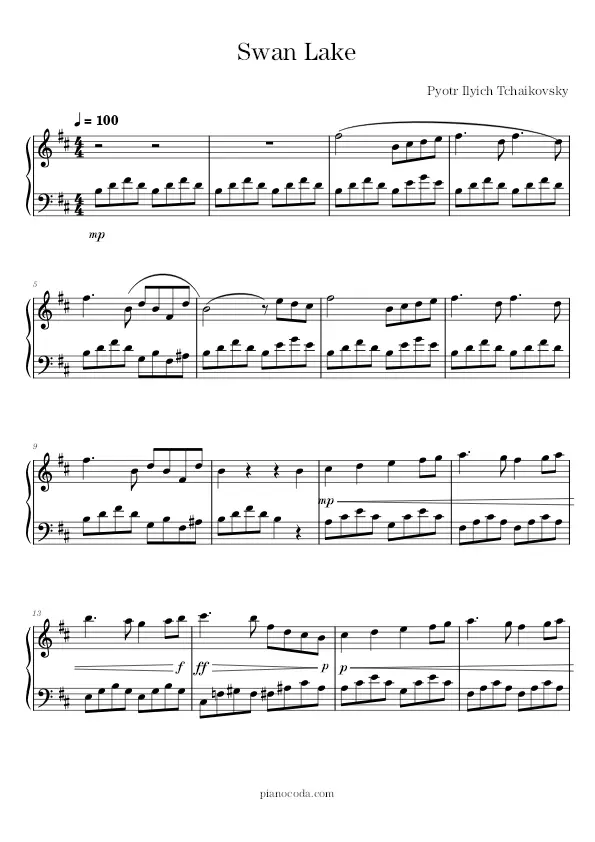
Working from inspiration helps when lyrics trigger emotion faster than theory does. Try selecting a well-known melodic style or beginner piece structure, then match your lyric phrasing to that pattern. Even if you’re not copying a melody exactly, you can borrow the “shape” of how lines rise and resolve. This is where lyrics become more than words: the stresses often mirror musical accents, and the endings of phrases tend to feel like musical resolutions. By keeping it beginner-friendly—short phrases, limited notes—you transform “I like this song” into “I can read and perform this,” which is deeply motivating.
Lyrics into Performance: Why It’s So Addictive to Visualize Music

There’s a reason people love tools that connect lyrics and musical experience: language is immediate, while music is expressive. When you turn lyrics into sheet music, you’re building a visual map of what your ears already feel. The addictive part is progress you can see—suddenly, “these words” correspond to “these notes,” “this rhythm,” and “this playable pattern.” As you iterate, you’ll notice your phrasing improves, your internal timing steadies, and your musical choices become more intentional. Start with one verse, write a simple melody, and refine it until it sings naturally on the instrument. That’s the beginner path from fascination to mastery.
If you are looking for Top 10 Beginner Piano Pieces – The Pianocoda Starter Set you’ve visit to the right place. We have 10 Pics about Top 10 Beginner Piano Pieces – The Pianocoda Starter Set like Mary Had A Little Lamb Easy Piano Sheet Music, Digital Downloadable, Easy Piano Sheet For Beginners – Infoupdate.org and also Mary Had A Little Lamb Easy Piano Sheet Music, Digital Downloadable. Here you go:
Top 10 Beginner Piano Pieces – The Pianocoda Starter Set
pianocoda.com
Top 10 Beginner Piano Pieces – The Pianocoda Starter Set
Easy Piano Sheet For Beginners – Infoupdate.org
infoupdate.org
Easy Piano Sheet For Beginners – Infoupdate.org
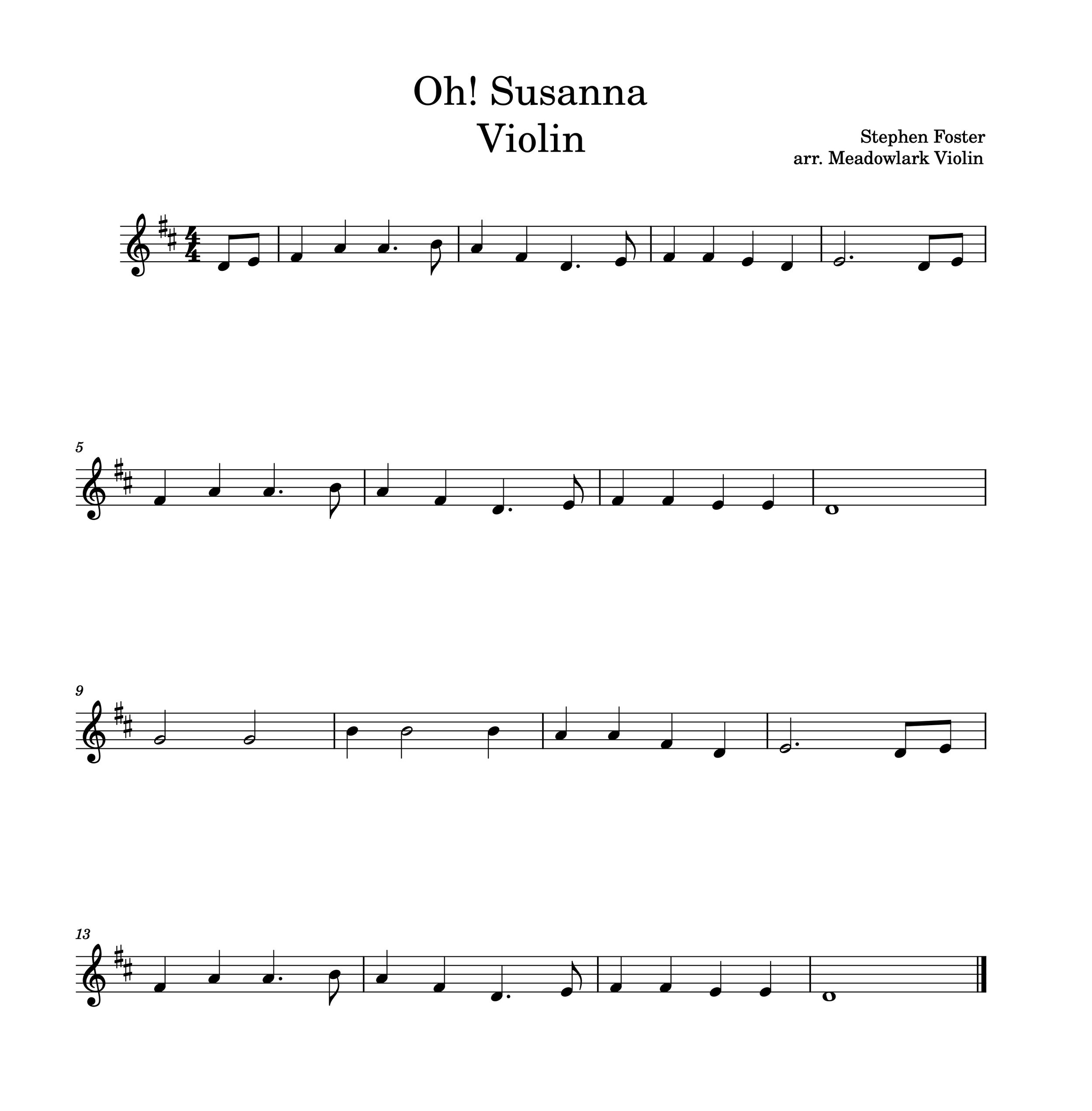
Simple Violin Sheet For Beginners – Infoupdate.org
infoupdate.org
Simple Violin Sheet For Beginners – Infoupdate.org
Mary Had A Little Lamb Easy Piano Sheet Music, Digital Downloadable

www.pinterest.com
Mary Had A Little Lamb Easy Piano Sheet Music, Digital Downloadable …
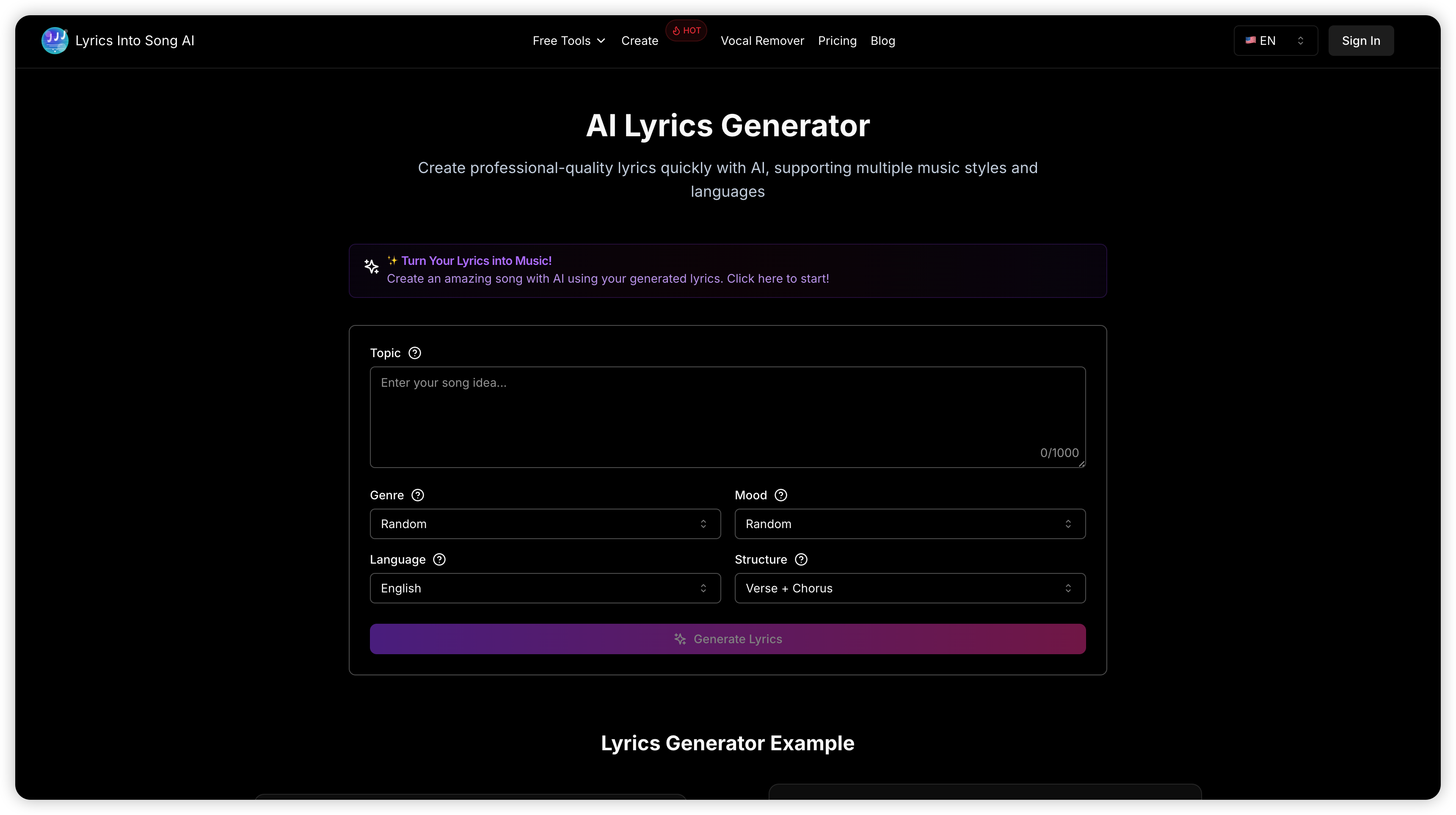
Lyrics Into Song AI – Turn Lyrics To Song Free Online
lyricsintosong.ai
Lyrics Into Song AI – Turn Lyrics To Song Free Online
Turn Suno Into Notes – How To Automatically Convert AI Generated Songs

klang.io
Turn Suno into Notes – How to automatically convert AI generated songs …
How To Turn Midi Into Sheet Music | Audiolover
audiolover.com
How To Turn Midi Into Sheet Music | Audiolover
4 Easy Beginner Sheet Music For 7 String Pentatonic Lyre Harp – Artofit

www.artofit.org
4 easy beginner sheet music for 7 string pentatonic lyre harp – Artofit
YouTube Music’s New Feature Lets You Turn Lyrics Into Insta-Worthy Art
www.androidheadlines.com
YouTube Music’s New Feature Lets You Turn Lyrics into Insta-Worthy Art
"Turn Lyrics Into Cashflow: Learn How To Use The Tunester Method To
www.alignable.com
"Turn Lyrics into Cashflow: Learn How to Use the Tunester Method to …

