
Ever look at a piece of sheet music and think, “I can read the notes… but why does it feel like I’m missing half the story?” That common moment—when musical symbols and page markings seem clear, yet the meaning of lyrics, instructions, or performance directions feels out of reach—often leads to a simple goal: translate sheet music to notes easily. When you can move between languages (or between unfamiliar notation conventions and your own understanding), the music becomes more than ink on a page. It becomes something you can actually rehearse, teach, study, and share. And that’s where fascination starts to grow: the more you connect symbols to sound, the more you notice patterns—rhythms, phrasing, and expressive cues—that make a composition feel alive.
How Transposition and Translation Work Together
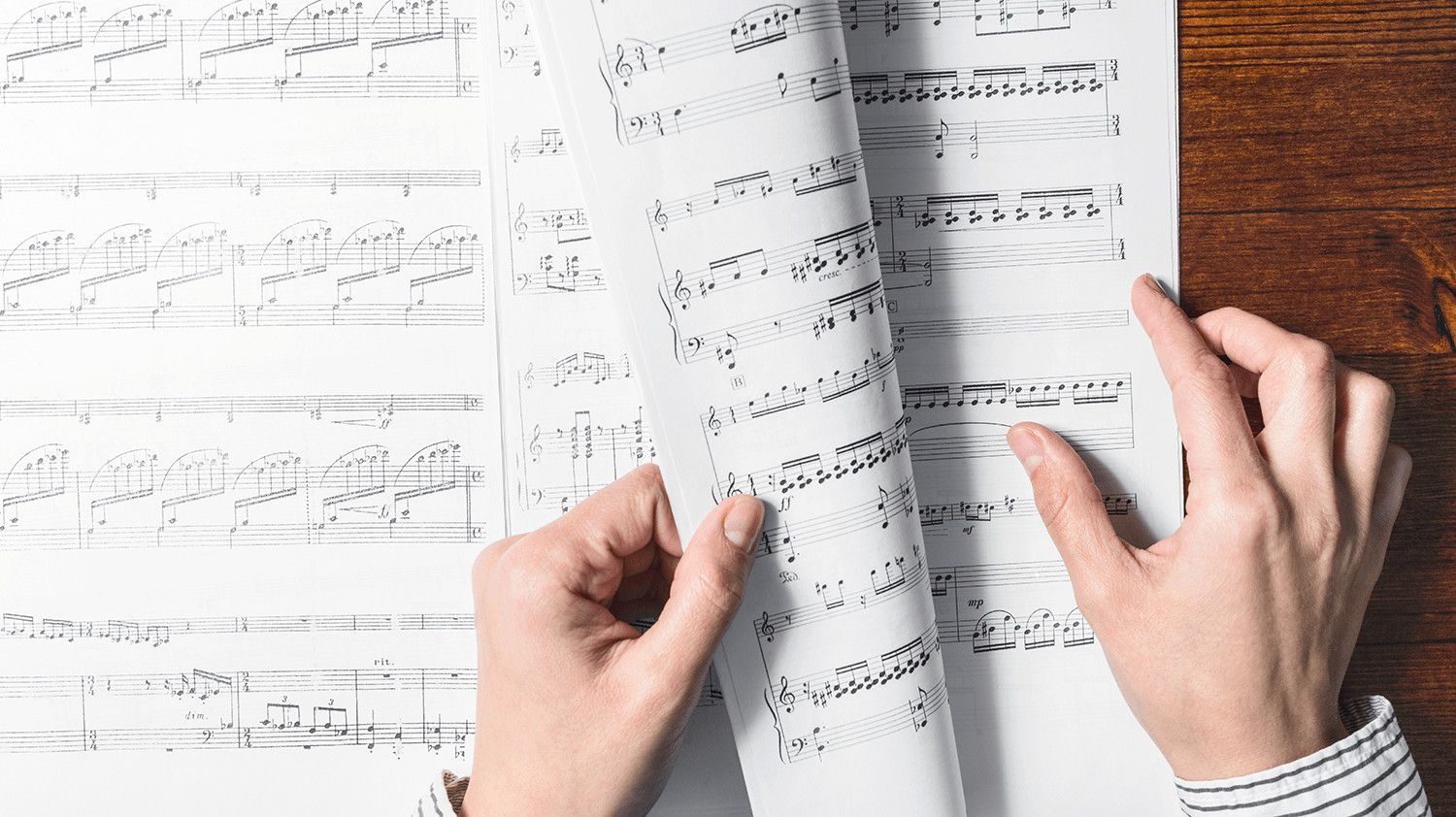
Before you translate anything into “notes,” it helps to recognize that sheet music is already a kind of translation—from performance into symbols. Transposition changes the reference point (the key), while interpretation changes how you hear each symbol in your head. When readers struggle, it’s frequently not the notes themselves, but the relationships between them: chord function, scale-degree behavior, and how a melody “leans” into harmony. By practicing both reading and adjusting (for key or range), you build a mental bridge that makes language translation—especially of lyrics, dynamics, tempo directions, or rehearsal notes—feel more natural. Once you can predict how the music should sound, you can focus on translating the parts that remain mysterious.
Tools and Services for Turning Notation into Understandable Notes

Many musicians and educators don’t need a complicated overhaul—they need clarity. Services and educator-focused tools help convert printed material into formats you can study quickly: cleaner excerpts, annotated transcriptions, and guidance on how symbols should be interpreted in practice. When translation enters the picture, the goal expands: it’s not only “what do the words say?” but also “how do the words affect the performance?” A translated lyric, for example, may change stress patterns and thus phrasing. A translated dynamic instruction (“crescendo,” “diminuendo,” or local rehearsal terminology) can directly change how you shape a line. The deeper reason people stay fascinated is that translation can preserve intent: it carries meaning across language barriers while keeping the musical performance consistent.
Bridging Japanese and English Sheet Music Notes

Language mismatch is a major reason sheet music translation feels hard. Japanese editions may use different conventions for rehearsal markings, lyric layout, or expressive commentary, and even when the underlying notes are standard, the surrounding text can influence how you interpret them. Translating sheet music to notes easily often starts with mapping the non-note information: tempo words, section labels, performance notes, and lyric syllabification cues. When those elements become understandable, your sight-reading improves, and your practice becomes more efficient. More importantly, the translation reveals the composer’s or arranger’s intent—what they want you to emphasize, how they expect the phrase to breathe, and how the rhythm should feel under the words. That sense of discovery is a big part of why people keep returning to music notation as a subject of fascination.
Composition, Transcription, and the Details Behind Every Note

It’s easy to focus on pitch—what note is next—but real musicians read the whole page. Translation to notes becomes easier when you treat sheet music as a layered document: pitch, rhythm, articulation, dynamics, and textual context all interact. Transcription workflows often highlight these layers by making them easier to review—so you can see patterns like repeated motifs, common rhythmic cells, or recurring harmonic movements. When translated annotations are added, you reduce cognitive load. Instead of guessing, you learn what each mark means and why it matters. Over time, your brain starts recognizing musical “sentences” rather than isolated symbols. That’s the deeper fascination: translation doesn’t just convert text; it sharpens your listening imagination until the page feels like a direct message to performers.
Handwritten Notes and the Best Way to Study Translated Excerpts
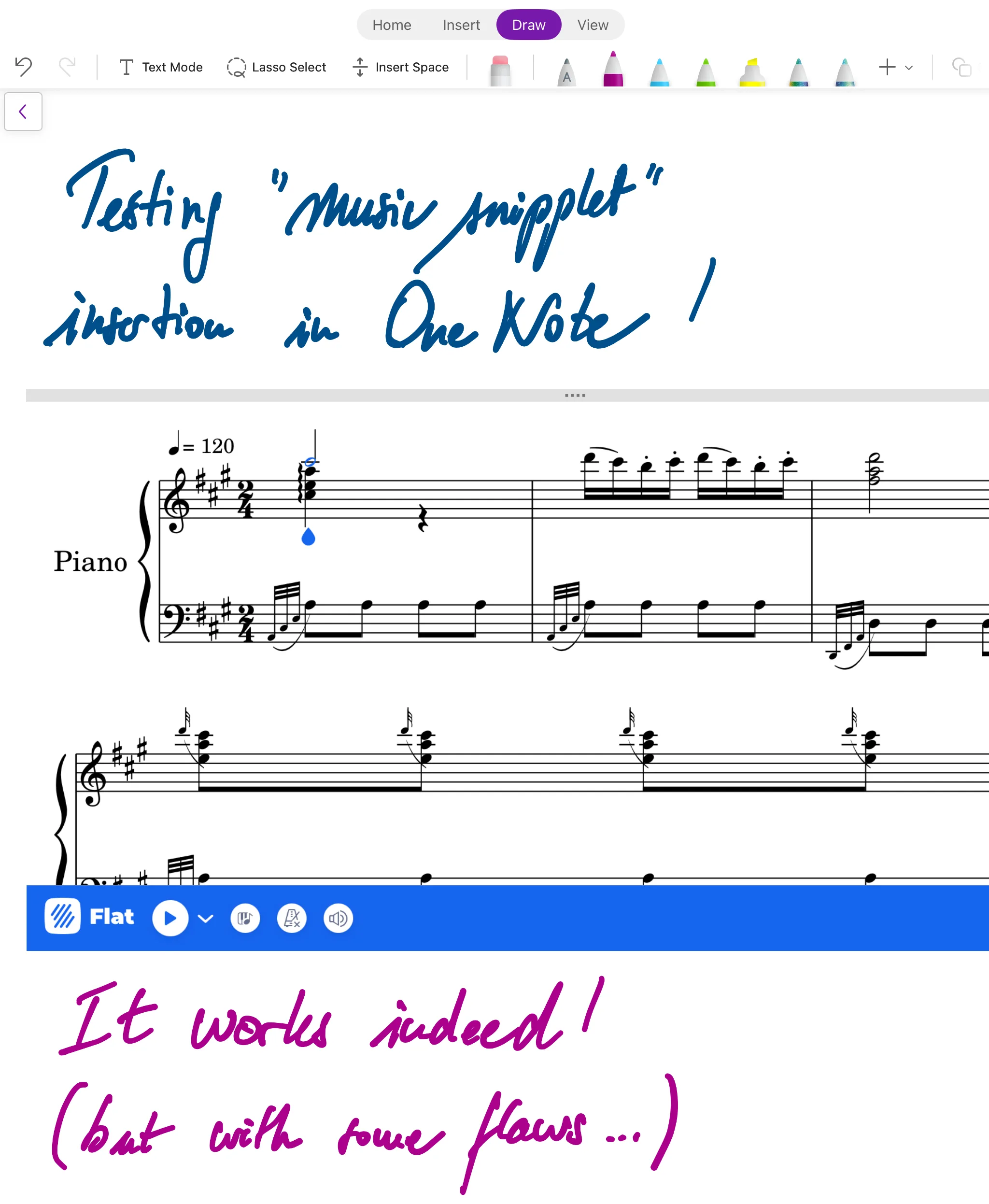
Sometimes the fastest way to translate sheet music to notes easily is to create your own study layer. On tablets or digital notebooks, you can insert excerpts, then add translated meanings directly next to the measures: simplified guidance, lyric glosses, or explanations of unfamiliar notation. Handwritten annotations are especially powerful because they reflect your learning process—where you pause, what you question, and how you connect a symbol to a sound. A translated tempo marking becomes a practical reminder; a phrase label becomes a cue for breathing and emphasis; a lyric line becomes easier to sing because stress and syllable timing are clarified. The result is more than convenience—it’s ownership. When you can personalize translated notes, you turn sheet music into something you can truly internalize, and that’s where the music stops feeling distant and starts feeling yours.
If you are searching about Learn How To Read Sheet Music Notes For Music | PDF you’ve came to the right page. We have 10 Pictures about Learn How To Read Sheet Music Notes For Music | PDF like Music Cheat Sheet For Guitar and Piano Translation | PDF, How to Read Sheet Music: A Step-by-Step Guide – Musicnotes and also The Best Apps for Sheet Music Excerpts in Handwritten Notes. Here it is:
Learn How To Read Sheet Music Notes For Music | PDF

www.scribd.com
Learn How To Read Sheet Music Notes For Music | PDF
Services For Music Educators • My Sheet Music Transcriptions — All
www.mysheetmusictranscriptions.com
Services for Music Educators • My Sheet Music Transcriptions — all …
How To Read Sheet Music: A Step-by-Step Guide – Musicnotes

www.musicnotes.com
How to Read Sheet Music: A Step-by-Step Guide – Musicnotes
#music #details #notes #composition #transcription #
www.linkedin.com
#music #details #notes #composition #transcription # …
Music Cheat Sheet For Guitar And Piano Translation | PDF

www.scribd.com
Music Cheat Sheet For Guitar and Piano Translation | PDF
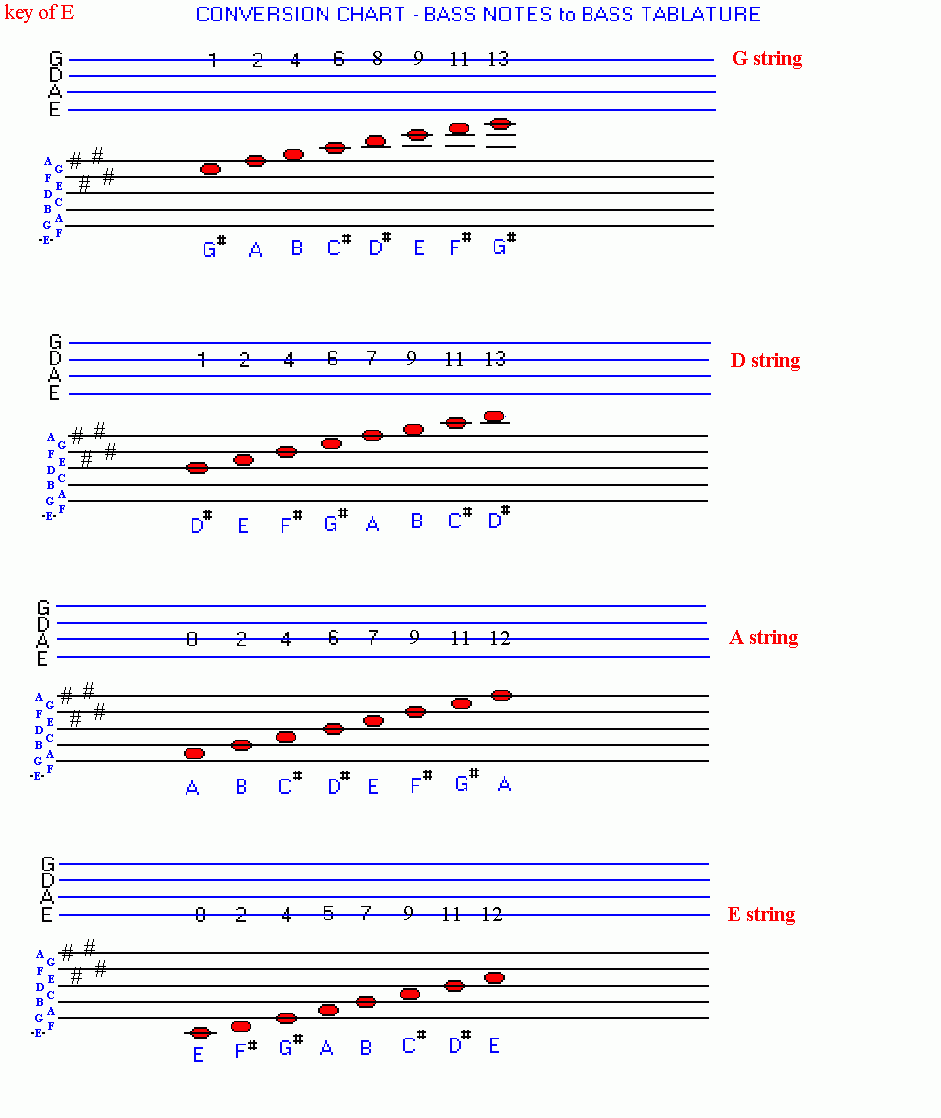
Translate Tab To Notes – Modnored
modnored.weebly.com
Translate tab to notes – modnored
Piano – Translate Musical Sheet Into Audio – Music: Practice & Theory

music.stackexchange.com
piano – Translate musical sheet into audio – Music: Practice & Theory …
The Best Apps For Sheet Music Excerpts In Handwritten Notes
www.tablets-for-musicians.com
The Best Apps for Sheet Music Excerpts in Handwritten Notes
[Japanese > English] Sheet Music Notes Translation : Translator
www.reddit.com
[Japanese > English] Sheet Music Notes Translation : translator
Music Theory: Learn How To Transpose Music — Musicnotes Now
www.musicnotes.com
Music Theory: Learn How To Transpose Music — Musicnotes Now

