
Many aspiring singers notice that vocal sheet music looks intimidating at first—notes, lines, symbols, and what feels like a secret code. But once you understand how to decode what you see, the page becomes a roadmap for pitch, rhythm, and expression. Reading vocal music isn’t just about “hitting the notes”; it’s also about shaping the sound so your voice sounds intentional, controlled, and musical. Below are practical ways to read vocal sheet music, supported by examples you might encounter in common downloadable scores and preview images.
1) Start with the Staff and the Basics (Peaches, Easy)
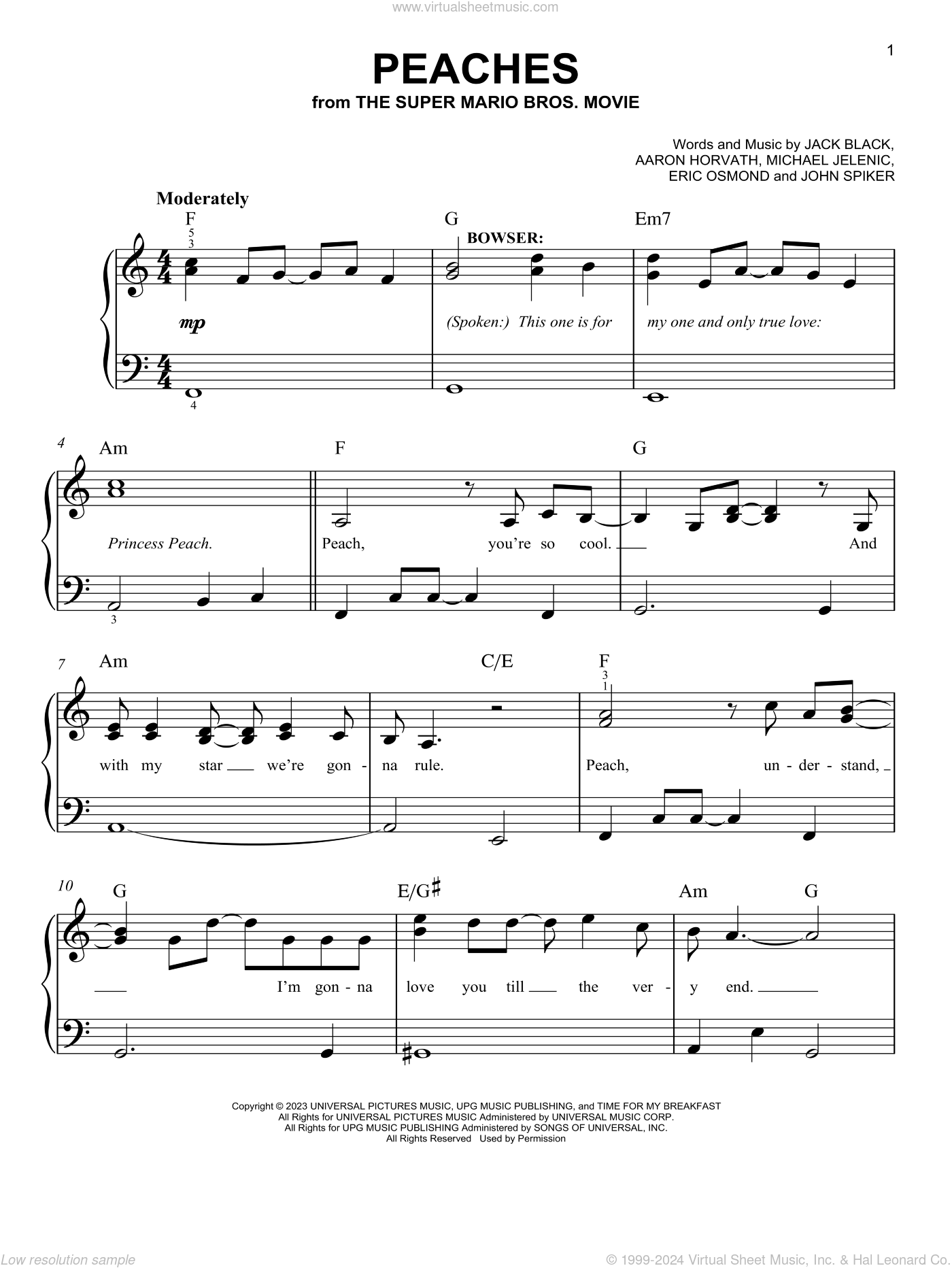
Easy vocal arrangements are often your best doorway into fluent reading. Look for the staff (the five horizontal lines) and identify where the vocal melody lives. If the music includes a tempo marking or simple accompaniment cues, treat those as your anchors: tempo tells you the pacing, while rests and note lengths tell you how long to hold each sound. A common observation is that singers rush because they focus on the melody alone; the deeper reason is that they’re reading “vertically” (notes at a moment) but not “horizontally” (how the rhythm flows over time). Try counting in rhythm first—then map the pitches.
2) Watch for Lyrics and Syllable Placement (NieR: Automata)
When lyrics are printed beneath the notes, you’re holding the key to natural phrasing. Notice how syllables align with note groups—especially where a single syllable spans multiple notes (sustained vowels) or where quick syllable changes happen on short rhythms (crisp consonants). If you ever feel like you sing “right notes” but the song still sounds off, lyrics alignment is usually the culprit. Deeper fascination comes from recognizing that vowel shape is part of the melody: the longer the note, the more you must stabilize resonance and breath support so the pitch doesn’t wobble.
3) Learn the Pattern of Dynamics and Phrasing (Beginning Voice)

Beginner vocal resources typically emphasize readability: note names (or clear pitch placement), steady rhythms, and manageable ranges. As you practice, also train your eyes for expression marks like dynamic levels (soft vs. loud) and phrase endings (where the music “breathes”). A common observation is that beginners think reading means “decoding pitches” only; the deeper reason it feels engaging is that vocal music is inherently physical and emotional. Dynamics tell you how to manage airflow and intensity—so the sheet becomes a guide for breath, not just sound. When you see a phrase ending, slightly reduce pressure or prepare a breath at the right time rather than abruptly stopping the note.
4) Don’t Fear Letters: Use Them as a Temporary Bridge (Easy Piano Sheet Music With Letters)

Letter notation can help you connect the staff to pitch quickly, especially for readers transitioning from “sing by memory” to “sing by reading.” Use letters as a warm-up tool: first sing the letter names, then immediately switch attention to note shapes and staff positions. This builds two skills at once—recognition and accuracy. The deeper reason singers grow to love this process is that it creates freedom: once you can read without relying on letters, you can learn new music faster, confidently, and with fewer guesswork moments. Over time, practice reading letter cues less and less until the staff alone is enough.
5) Handle Key Signatures and Transposition (SZA “Nobody Gets Me” in G Major)

Popular songs often include a key signature and may be designed for transposition. Before you sing, identify the key (like G major) and understand what it means for every note throughout the piece. A common observation is that singers avoid this part because it seems theoretical. But the deeper reason it matters is that key context controls how sharps and flats behave—so your “muscle memory” stays aligned with the printed pitch. If you practice transposable versions, you also learn to adjust quickly: keep the rhythm feel constant, then shift pitch according to the transposition setting.
Bottom line: Reading vocal sheet music becomes far easier when you treat the page as a multi-layer map—pitch, rhythm, lyrics, dynamics, and key context working together. Start with steady counting, align your mouth shapes to syllables, respect phrasing and dynamics, and gradually move from support tools (like letters) to confident staff reading. The more you practice decoding these elements, the more your singing will sound “pro” because it will sound intentional—note by note, breath by breath.
If you are looking for Benny Goodman Sing Sing Sing you’ve came to the right place. We have 10 Images about Benny Goodman Sing Sing Sing like Sing Sing Trumpet | PDF, SZA "Nobody Gets Me" Sheet Music in G Major (transposable) – Download and also Evenstar Musescore Sheet Music Piano Sheet Music. Here it is:
Benny Goodman Sing Sing Sing

ar.inspiredpencil.com
Benny Goodman Sing Sing Sing
SZA "Nobody Gets Me" Sheet Music In G Major (transposable) – Download
www.musicnotes.com
SZA "Nobody Gets Me" Sheet Music in G Major (transposable) – Download …
NieR: Automata – Voice Of No Return (Rui Ruii) Sheets By Rui Ruii
www.mymusicsheet.com
NieR: Automata – Voice of No Return (Rui Ruii) Sheets by Rui Ruii
Peaches (from The Super Mario Bros. Movie), (easy) Sheet Music For
www.virtualsheetmusic.com
Peaches (from The Super Mario Bros. Movie), (easy) sheet music for …
Easy Piano Sheet Music With Letters
ar.inspiredpencil.com
Easy Piano Sheet Music With Letters
Free Vocal Sheet Music For Beginning Voice – Worksheets Library
worksheets.clipart-library.com
Free Vocal Sheet Music for Beginning Voice – Worksheets Library
Evenstar Musescore Sheet Music Piano Sheet Music

fity.club
Evenstar Musescore Sheet Music Piano Sheet Music
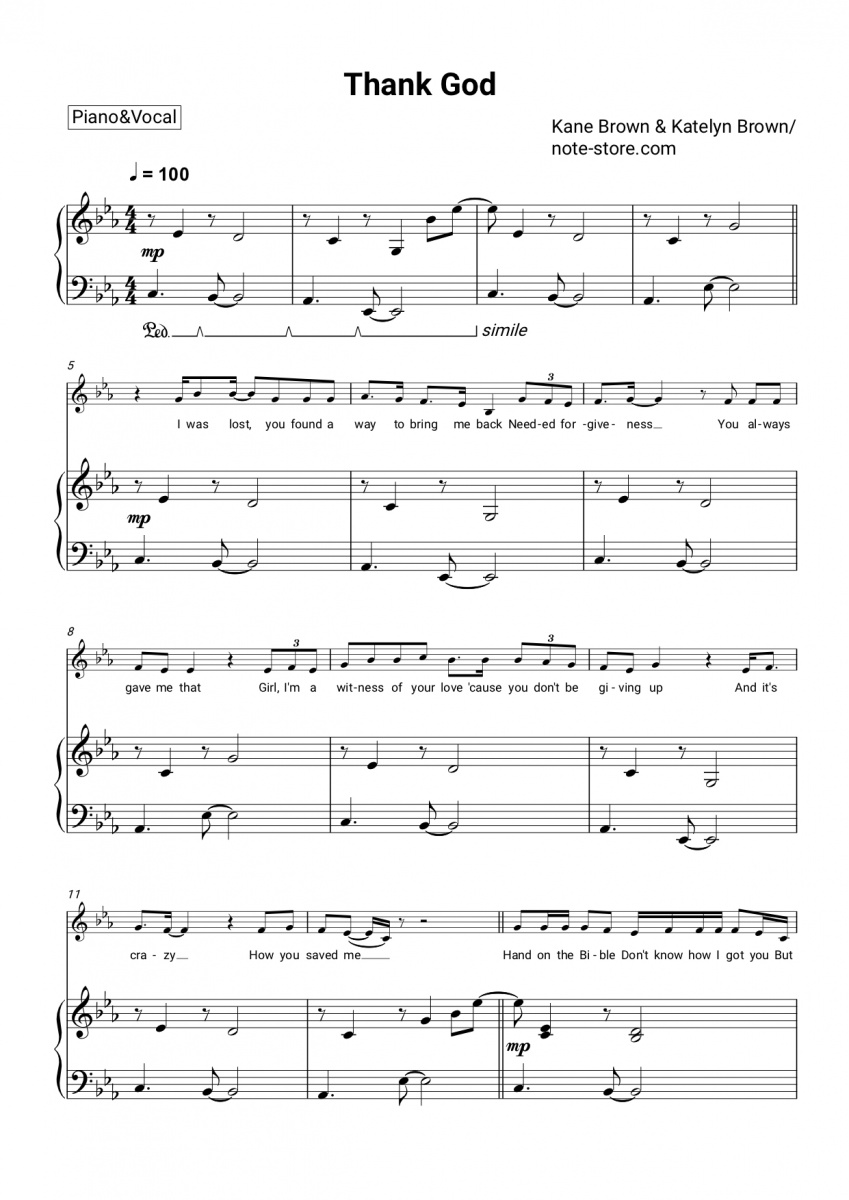
Free Christmas Sheet Music Printable With Lyrics – Printable Free Templates
oishii.lu
Free Christmas Sheet Music Printable With Lyrics – Printable Free Templates
Sing Sing Trumpet | PDF

www.scribd.com
Sing Sing Trumpet | PDF
BEATLES – READ VOCAL HIT COLLECTION Cd JAPAN – Music/Movies/Books
www.mudah.my
BEATLES – READ VOCAL HIT COLLECTION Cd JAPAN – Music/Movies/Books …

