
It’s a common observation: sheet music looks like a strange code. Notes, symbols, lines, and markings appear to be “writing,” yet they don’t read like words. Still, once you learn the basics, something remarkable happens—sheet music becomes a practical language. It can tell you what to play, how to shape it, and when to breathe between sounds. In other words, it doesn’t just record music. It communicates it. And that ability—to convert invisible sound into readable meaning—helps explain why so many people find sheet music both approachable and endlessly fascinating.
Decoding Symbols: Why the Page Feels Like a Lexicon
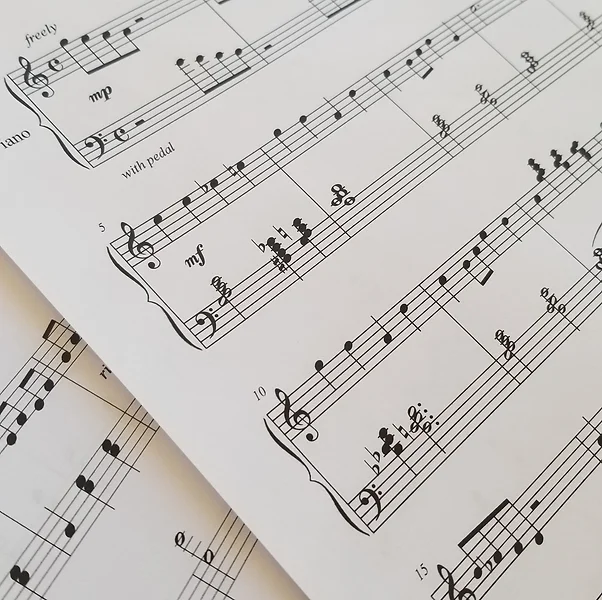
At first glance, sheet music can feel like it’s written in a foreign alphabet. But the “symbols” aren’t random. They’re a structured vocabulary: note shapes and positions indicate pitch; rhythmic groupings show timing; and additional markings refine expression. This is why beginners often compare the experience to learning a new language. Once you can recognize patterns—repeated figures, common intervals, familiar tempo instructions—you start reading music in chunks rather than individual marks. That shift is powerful. It transforms the page from a complicated diagram into a message with grammar. Behind the scenes, the fascination is partly cognitive: your brain enjoys translating order into meaning, especially when the reward is hearing the result.
Tempo and Scale: The Music “Dialects” Hidden in Notation

Sheet music also functions like a dialect system. Scales tell you what pitch relationships matter in a particular context, while tempo markings define the speed of the story. Together, they shape the listener’s expectations: a melody in a certain key can sound “at home” while the same sequence at a different tempo can feel urgent, reflective, or dance-like. This is one deeper reason sheet music becomes a language rather than a static picture—because it provides performance instructions, not just pitch information. When you read tempo and scale properly, you’re not only reproducing notes; you’re enacting musical intent. That enactment is what turns “reading” into “understanding.”
From Preservation to Communication: How Sheet Music Changed Everything
Another reason people connect sheet music with language is that it solves a human problem: sound fades quickly. Without notation, music can be difficult to preserve exactly or share across distances and generations. Sheet music offered a way to stabilize performance details—so a composer’s ideas could outlive a specific moment. Over time, notation became a bridge between minds: one person writes, another person reads, and the music travels. Even as musical styles evolved, the concept remained the same—symbols stand in for sound and allow people to coordinate around a shared interpretation. That bridge is thrilling. It makes the act of learning notation feel like gaining access to a vast library of emotions, ideas, and cultures.
Learning to Read Piano Music: Grammar, Style, and Expression
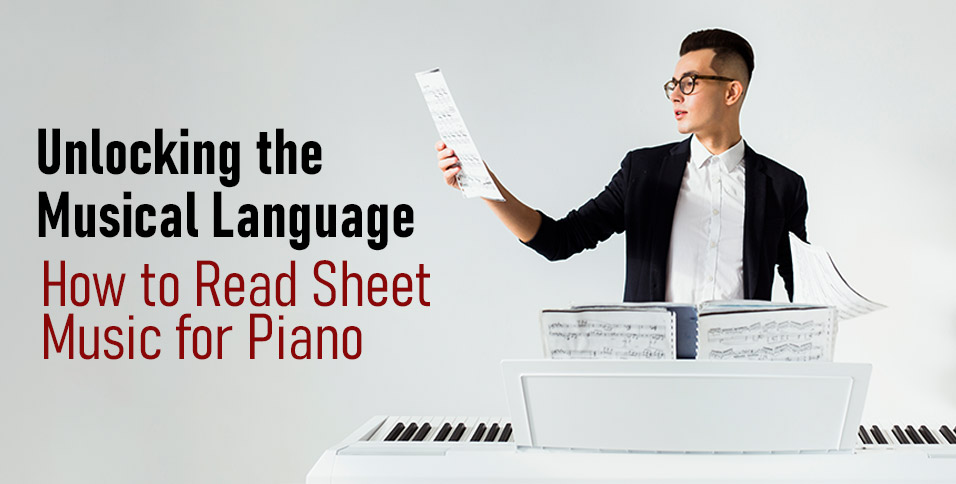
When someone learns to read sheet music for piano, the “language” idea becomes immediately real. The staff isn’t just a place where notes appear—it’s a map. Left and right hands become two voices conversing at different registers. Articulation marks clarify whether a note should be crisp or connected; dynamics shape volume like emphasis in speech; and phrasing marks suggest where sentences begin and end. This is why sheet music can feel more than technical—it often feels poetic. Once you understand how the markings interact, you can play with intention rather than guessing. In that sense, sheet music is language because it supports nuance. It gives a structure for personality, not merely accuracy.
History in an Infographic: Why Notation Still Captures Our Imagination

Finally, consider how sheet music endures. Even with recordings, many musicians still choose notation as their primary way to learn, rehearse, and share. The reason is simple: recordings capture one interpretation, while sheet music captures possibilities—pitch, rhythm, structure, and expressive instructions that can be realized in multiple ways. The history of notation also carries a sense of continuity. You’re not just reading modern instructions; you’re participating in a long tradition of translating sound into symbols. That continuity sparks fascination because it connects you to composers, teachers, and performers who faced the same challenge: how to make music intelligible across time. When you read a score, you’re reading a message—and that message is what makes sheet music feel like the language of music.
If you are searching about When Was Sheet Music Invented | Audiolover you’ve came to the right web. We have 10 Images about When Was Sheet Music Invented | Audiolover like The Language of Music | PDF | Scale (Music) | Tempo, Sheet Music: The Timeless Language of Music – 878 UK and also Sheet Music History Images – Free Download on Freepik. Here you go:
When Was Sheet Music Invented | Audiolover
audiolover.com
When Was Sheet Music Invented | Audiolover
Sheet Music – Wikipedia

en.wikipedia.org
Sheet music – Wikipedia
Sheet Music History Images – Free Download On Freepik

www.freepik.com
Sheet Music History Images – Free Download on Freepik
Unlocking The Musical Language: How To Read Sheet Music For Piano
www.mirrorreview.com
Unlocking the Musical Language: How to Read Sheet Music for Piano
Sheet Music: The Timeless Language Of Music – 878 UK
878uk.com
Sheet Music: The Timeless Language of Music – 878 UK
Decoding The Language Of Symbols In Sheet Music: A Musical Lexicon
blog.sheetmusicnow.com
Decoding the Language of Symbols in Sheet Music: A Musical Lexicon …
Early American Sheet Music, Available Online | Library Of Congress

www.loc.gov
Early American Sheet Music, Available Online | Library of Congress
The Language Of Music | PDF | Scale (Music) | Tempo
www.scribd.com
The Language of Music | PDF | Scale (Music) | Tempo
Sheet Music Printing Service • My Sheet Music Transcriptions

www.mysheetmusictranscriptions.com
Sheet Music Printing Service • My Sheet Music Transcriptions
Take A Quick Trip Through The History Of Sheet Music – A Fun Infographic
www.musicnotes.com
Take a Quick Trip Through The History of Sheet Music – A Fun Infographic

