
Sheet music is more than ink on staff lines—it’s a bridge between the silence before you play and the music you can hear. If you’ve ever wanted to turn a melody humming in your head into something others can perform, this guide will take you from beginner scribbles to pro-level clarity. Think of the process like building a map: first you learn the symbols, then you choose the route, and finally you refine the landmarks until every player can find their way.
Begin with a Song Blueprint (Vocals to Notation)
One of the fastest ways to learn is to study how a complete piece turns into a structured blueprint. In vocal sheet music, the melody isn’t just “notes”—it’s the story of breath, phrasing, and rhythm. As you create your own, imagine each line of staff as a corridor and each measure as a room where the singer (or you) must feel at home. Start by mapping the song’s big beats first: where phrases begin, where they peak, and where they resolve. Once the rhythm skeleton is solid, you can clothe it with pitch details—like adding facial features after you’ve already sketched the outline of a character.
Learn the Language of the Staff (Your First Dictionary)

Creating sheet music starts long before you write your first note. You need a reliable “dictionary” of symbols: clefs, time signatures, accidentals, rests, ties, and dynamics. Treat each sign like a road sign—misread one and you may take a wrong turn that grows into a whole wrong route. Practice reading in small chunks: one measure at a time, then four, then phrases. As you write, keep checking that your notes “speak” the correct rhythmic and pitch grammar. Over time, you’ll stop thinking about translation and start thinking in music.
Start Simple with a Free Piano Foundation (Easy Scores, Big Confidence)

When you’re learning to create sheet music, simplicity is not a limitation—it’s a training ground. Beginner piano scores often use narrow ranges, steady patterns, and clear spacing. That clarity matters because sheet music must be readable at a glance. As you build your own, aim for “low drama” layout: tidy measure spacing, consistent formatting, and thoughtful use of chords or broken patterns. Think of each bar as a step on a staircase: your goal is smooth ascents, not leaps. With a reliable structure, you can focus on musical accuracy—and the confidence that follows will carry you into more complex rhythms and harmonies.
Translate Popular Melodies into Symbols (From Ears to Notation)
Turning a modern song into sheet music can feel like catching lightning—until you break the process into controllable moves. Begin by identifying the key and the repeating harmonic “gravity” underneath the melody. Then, listen for melodic landmarks: the first note that anchors the phrase, the intervals that stand out, and the rhythm that makes it recognizable. Finally, verify your transcription by playing along with a recording or using a notation tool to hear what you wrote. Pro-level accuracy often comes from iteration: transcribe, check, correct, then refine dynamics and phrasing so the performance matches the emotion, not just the pitches.
Use Professional Workflow Tools (Transcription, Formatting, and Polish)
As you move from beginner to pro, your biggest upgrade isn’t just musical—it’s operational. Professional transcription and engraving are about reducing friction: consistent notation styles, clean alignment, correct spacing, and readable typography. Even if you prefer doing everything yourself, consider adopting a workflow: rough transcription first, then rhythm correction, then pitch accuracy, and finally layout polish (dynamics, articulation, and fingerings when relevant). When your sheet music “looks inevitable,” players trust it. That trust is the secret sauce behind performances that sound right every time.
Sheet music creation is a journey from listening to describing. Learn the symbols, practice the translation, start with approachable pieces, refine popular melodies, and polish your workflow until the page becomes a doorway. The more clearly you write, the more fully the music can speak.
If you are looking for How to Read Guitar Sheet Music – A Beginner's Guide to Music Notation you’ve visit to the right page. We have 10 Images about How to Read Guitar Sheet Music – A Beginner's Guide to Music Notation like Free Easy Beginner Piano Sheet Music, Transcribe songs and create sheet music for you by Hellojillian | Fiverr and also Guitar Chords Printable Sheet – Printable Calendars AT A GLANCE. Here you go:
How To Read Guitar Sheet Music – A Beginner's Guide To Music Notation

www.pickupmusic.com
How to Read Guitar Sheet Music – A Beginner's Guide to Music Notation …
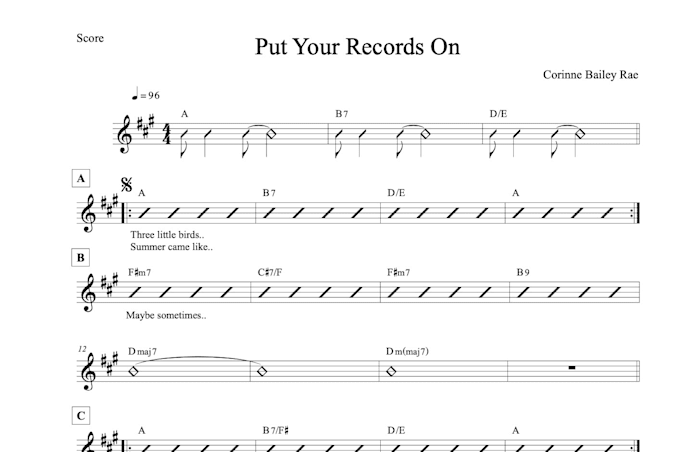
Transcribe Music, Create Sheet Music, Lead Sheets And Chord Charts By

www.fiverr.com
Transcribe music, create sheet music, lead sheets and chord charts by …
Free Easy Beginner Piano Sheet Music
utpaqp.edu.pe
Free Easy Beginner Piano Sheet Music
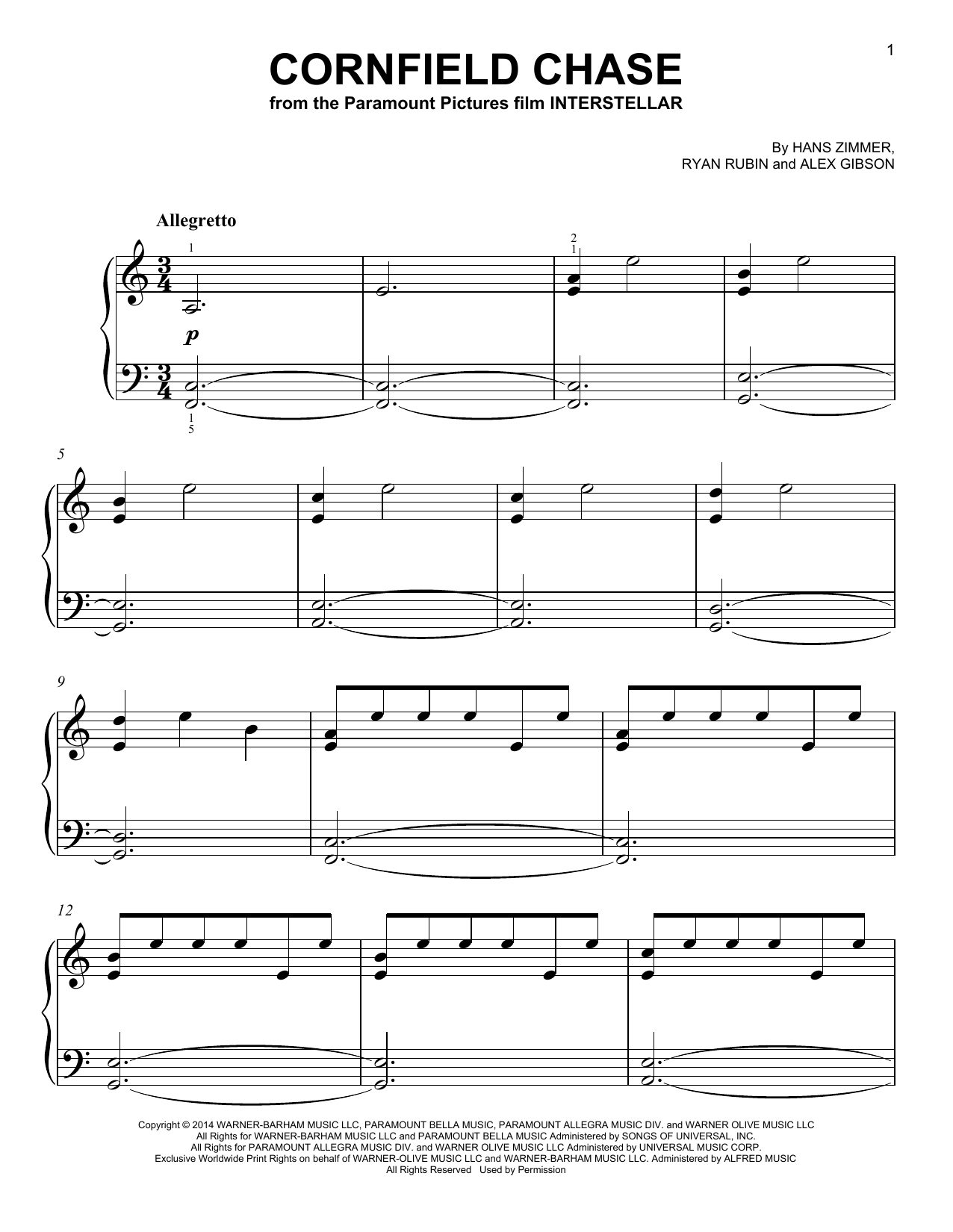
Interstellar Piano Sheet Music
www.glockengiesserstrasse.info
Interstellar Piano Sheet Music
AC/DC – Rock The Blues Away (Vocals) Sheet Music By Total Tabs
www.mymusicfive.com
AC/DC – Rock the Blues Away (Vocals) Sheet Music by Total Tabs
Billie Eilish – What Was I Made For? (Piano Sheet – Special Price $2
www.mymusicsheet.com
Billie Eilish – What Was I Made For? (Piano Sheet – Special Price $2 …
Transcribe Songs And Create Sheet Music For You By Hellojillian | Fiverr

www.fiverr.com
Transcribe songs and create sheet music for you by Hellojillian | Fiverr
Transcribe Songs And Create Sheet Music For You By Hellojillian | Fiverr
www.fiverr.com
Transcribe songs and create sheet music for you by Hellojillian | Fiverr
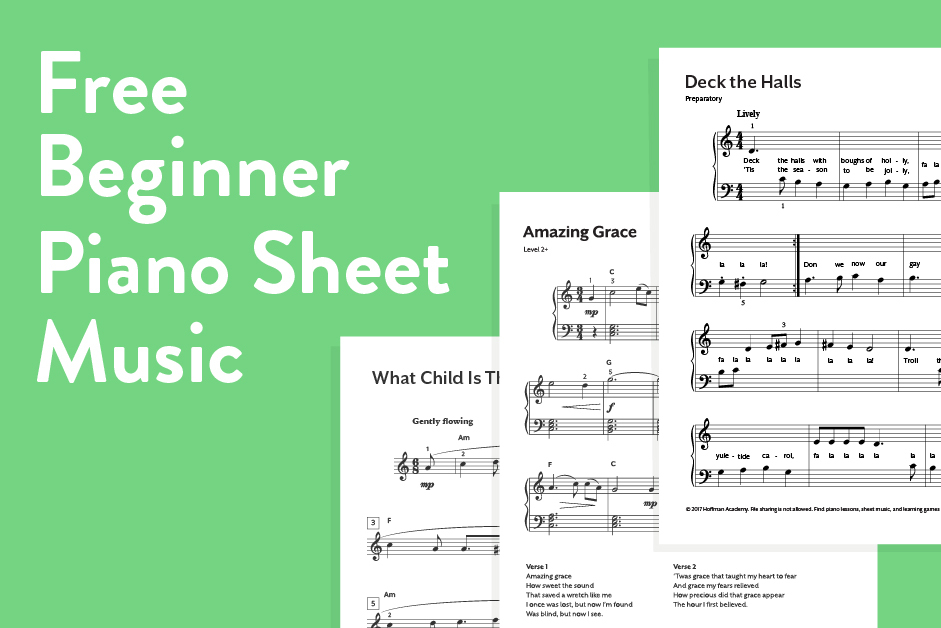
Easy Piano Sheet For Beginners – Infoupdate.org
infoupdate.org
Easy Piano Sheet For Beginners – Infoupdate.org
Guitar Chords Printable Sheet – Printable Calendars AT A GLANCE

ataglance.randstad.com
Guitar Chords Printable Sheet – Printable Calendars AT A GLANCE

