
If you’ve ever looked at a piece of sheet music and thought, “It looks confusing—where do I even start?”, you’re not alone. A very common observation is that sheet music seems like a jumble of lines, symbols, and notes. The good news is that this “jumble” is actually a structured language with clear rules. When you understand the basic architecture—staffs, clefs, measures, notes, rhythm, and dynamics—it stops feeling random and starts feeling surprisingly logical. And that logic is one reason musicians (and even curious beginners) can’t help but get fascinated: the music you hear has a visual blueprint.
Start with the Staff: Your Musical “Grid”

The staff is the foundation. It’s made of horizontal lines and spaces, and each position corresponds to a specific pitch (a specific note name). Beginners often wonder why some notes sit on the lines while others float in the spaces. That’s simply the layout of the grid: every line/space is a “location” for a pitch. For deeper understanding, notice that different instruments often use different clefs—so the same staff structure can “mean” different pitches depending on the clef.
Clefs and Note Placement: Decoding Pitch at a Glance

Clefts (like treble and bass clefs) act like keys for the staff. A common observation is that the clef symbol looks like a puzzle piece—why does it matter so much? It matters because it tells you which line is which pitch. Once you know the clef, note placement becomes much easier: the note’s height on the staff is the pitch. The deeper reason this is captivating is that reading music is like instant translation—your eyes map positions to sounds in real time.
How the Staff Fits Together: Reading Across Measures

Even if you understand pitch, rhythm still needs a structure. That structure is measures (bar lines divide the staff into sections). A common beginner question is, “Why does the music look chopped into boxes?” Those “boxes” are measures that organize time. Each measure contains a set amount of beats, dictated by the time signature. Look closely: reading sheet music is mostly about moving left to right, stacking information into a timeline. This is where fascination grows—because the page becomes a timeline you can play.
Common Visual Symbols: Rhythm, Duration, and Feel

Notes aren’t just locations for pitch; they also show duration. Filled note heads, stems, and flags (or different note shapes) tell you how long to hold each sound. Beginners sometimes assume all notes are “the same,” but the shapes change the length, creating the rhythm pattern. The deeper reason the structure is so engaging is that rhythm is feel made visible—when you master note values, you can predict how the music will move even before you press a key.
Sheet Music Structure Beyond Notes: Dynamics and Expression
Once the basics click, you’ll notice that sheet music contains more than pitch and timing. Dynamics (like “p” for soft and “f” for loud), articulations, and expressive markings shape how music sounds emotionally. A common observation is that these extra marks might feel like clutter. But they’re actually instructions for interpretation—how to give life to the notes. Underneath that clutter is a deeper fascination: the page doesn’t only record what to play, it guides how to communicate.
By learning sheet music structure step by step—staff, clef, measures, note shapes, and expression—you’re not just memorizing symbols. You’re learning a visual system for translating music. And once you can translate, the page turns from confusing into inspiring.
If you are searching about How to Read Sheet Music For Beginners | PDF you’ve visit to the right page. We have 10 Pictures about How to Read Sheet Music For Beginners | PDF like How to Read Sheet Music For Beginners | PDF, How to Read Sheet Music for Beginners: A Comprehensive Guide to and also Basic Song Structure Essentials LedgerNote | Download Free PDF | Song. Here you go:
How To Read Sheet Music For Beginners | PDF

www.scribd.com
How to Read Sheet Music For Beginners | PDF
Song Structure | PDF | Song Structure | Elements Of Music

www.scribd.com
Song structure | PDF | Song Structure | Elements Of Music
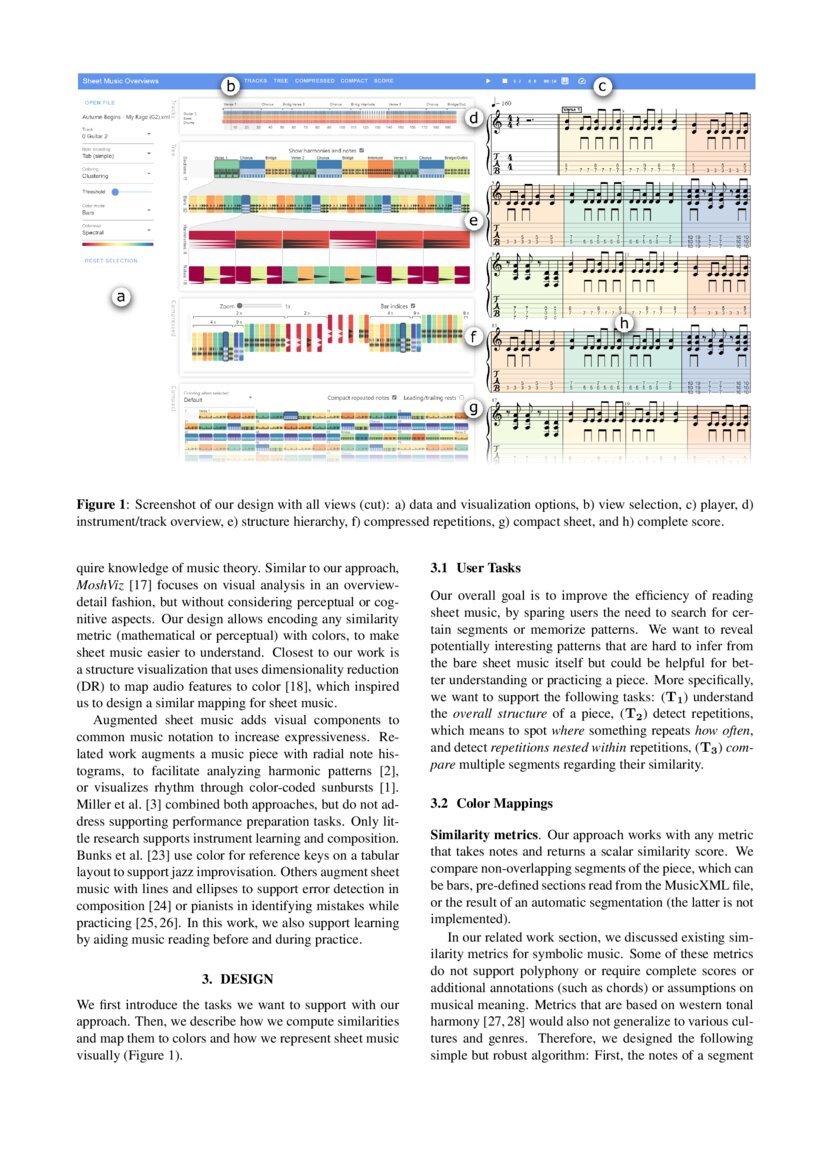
Visual Overviews For Sheet Music Structure | DeepAI
deepai.org
Visual Overviews for Sheet Music Structure | DeepAI
A Beginner's Guide To Reading Sheet Music On Behance

www.behance.net
A Beginner's Guide To Reading Sheet Music on Behance
How To Read Sheet Music For Beginners: A Comprehensive Guide To
www.scribd.com
How to Read Sheet Music for Beginners: A Comprehensive Guide to …
A Beginner's Guide To Reading Sheet Music On Behance

www.behance.net
A Beginner's Guide To Reading Sheet Music on Behance
Basic Song Structure Essentials LedgerNote | Download Free PDF | Song

www.scribd.com
Basic Song Structure Essentials LedgerNote | Download Free PDF | Song …
Pin On Guitarra
www.pinterest.com
Pin on Guitarra
A Beginner's Guide To Reading Sheet Music On Behance
www.behance.net
A Beginner's Guide To Reading Sheet Music on Behance
A Beginner's Guide To Reading Sheet Music On Behance
www.behance.net
A Beginner's Guide To Reading Sheet Music on Behance

