Have you ever stared at a piece of sheet music and seen a tiny # or b and wondered, “Okay, but where do my fingers go now?” Don’t worry—you’re not alone. Sharp and flat notes are like musical shortcuts: they tell you to raise or lower a pitch without changing the note’s letter name. In this easy guide, we’ll make those squiggles feel a lot less mysterious (and a lot more useful) before you even reach the first measure.
Potential challenge: Try to find the sharp or flat on your first look at the page, then ask yourself: “Is it raising or lowering the note?” If you can answer that quickly, you’re already ahead of the game.
Sharp Notes: What the # Really Means
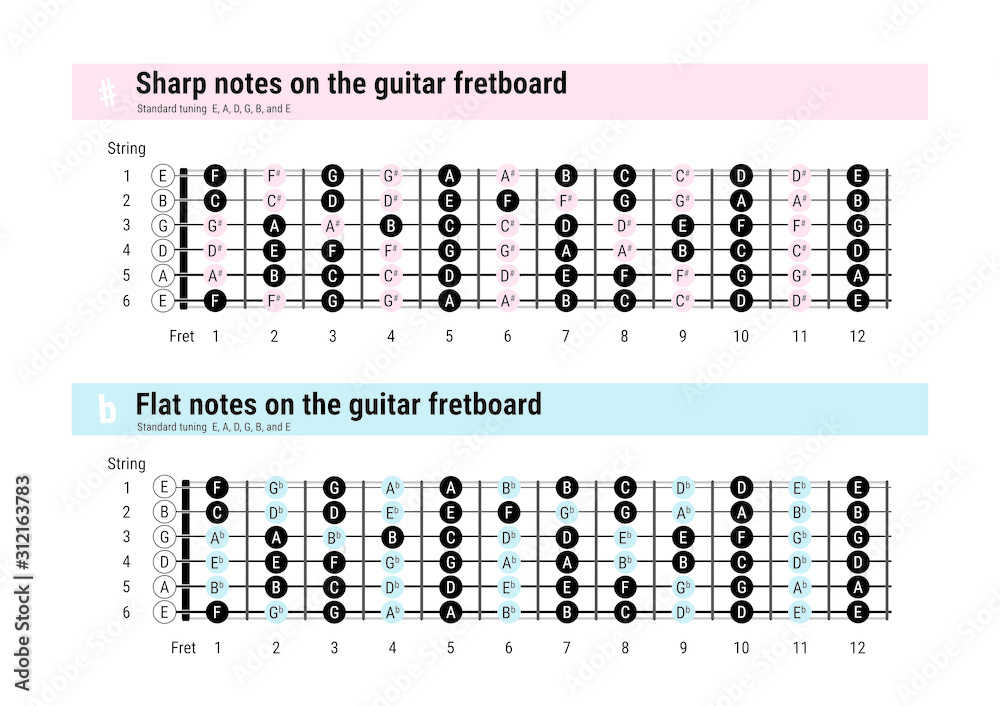
Let’s start with the sharp symbol: #. A sharp note means you play (or sing) the same letter name but one half-step higher. On a guitar fretboard, that often means moving to the next fret. On a keyboard, it means moving to the next key to the right. For example, C# is one half-step above C. That might sound small, but in music, half-steps are the difference between “in tune” and “almost.”
Here’s a quick mental trick: # looks like it’s “lifting” the note up. If you remember that, you’ll handle sharp notes faster than you think.
Flat Notes: What the b Really Means

Now for the flat symbol: b. A flat note means you play (or sing) the same letter name but one half-step lower. For example, B♭ is one half-step below B. On a keyboard, it means the next key to the left. On a fretboard, it means the pitch is “lower” than the natural note.
Try this: look at the note name, then immediately ask, “Does the symbol push it up or down?” Flats push down. If sharps are your “lift,” flats are your “drop.”
Sharp and Flat on the Keyboard: Visualizing the Half-Step
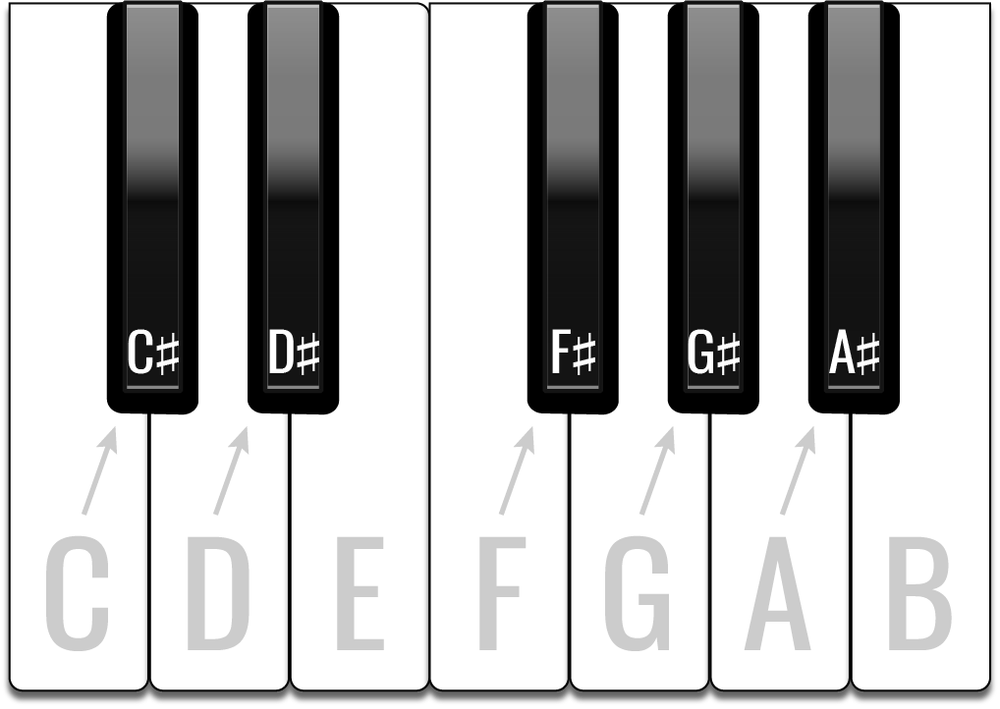
Sheet music is written to be consistent, but instruments “feel” different. That’s why keyboard diagrams are so helpful: the sharp and flat notes are literally next-door neighbors. On a piano, between any two white keys there’s either a half-step or a whole step, and the black keys represent the most common sharps and flats.
For instance, the black key between C and D can be called either C# or D♭. This is one of the most important ideas: some pitches have two names. They sound the same, but the spelling matters for harmony and key signatures.
So if you ever wonder, “Wait—why does the same key sometimes get two different labels?” That’s why. Music theory cares about both sound and function.
How Pitch Symbols Change the Note
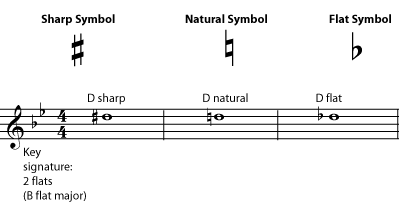
Sharp and flat symbols are part of the musical “instruction language.” When you see a # or b, you’re not changing rhythm—you’re changing pitch. Specifically, you’re shifting by one half-step. That means the pitch is moved to the nearest adjacent pitch in the chromatic scale.
Watch for context: if you see a sharp or flat right next to a note, it applies to that pitch (and may carry forward depending on the notation rules). If you see it inside a key signature, it affects multiple notes throughout the piece. Either way, your job is to respect the instruction.
Quick practice challenge: Pick a random bar in a song you like. Find one note with a sharp or flat. Name the natural note (letter name without the accidental), then say whether the accidental raises or lowers it. If you can do that in a few seconds, you’re building real confidence.
Sharp, Flat, and Natural: The Trio You Must Know

Every accidental has a “reset” partner: the natural sign (♮). This is the symbol that cancels the effect of a previous sharp or flat. So if your key signature (or earlier accidental) would normally make a note sharp or flat, the natural sign tells you to return to the original pitch for that letter name.
Think of it like editing a sentence: sharp and flat change the pitch, and natural corrects it back to the standard spelling. When you understand this trio—#, b, and ♮—sheet music stops feeling like a puzzle and starts feeling like a set of clear instructions.
So next time you see an accidental, don’t panic. Ask the two simple questions: Is it sharp or flat? And does it raise or lower by one half-step? You’ll be reading with way more confidence in no time.
If you are searching about Learn How to Read Sheet Music: Notes for Music | Take Note you’ve came to the right web. We have 10 Pics about Learn How to Read Sheet Music: Notes for Music | Take Note like How to Read Sheet Music: A Step-by-Step Guide – Musicnotes, Pitch in music notation and also Pitch in music notation. Here you go:
Learn How To Read Sheet Music: Notes For Music | Take Note

blog.sheetmusicplus.com
Learn How to Read Sheet Music: Notes for Music | Take Note
Sharp And Flat Notes On Guitar — Guitar Music Theory Lessons By Ry Naylor
www.rynaylorguitar.com
Sharp and Flat Notes on Guitar — Guitar Music Theory Lessons by Ry Naylor
What’s The Difference Between A Sharp And A Flat Note? – Classic FM

www.classicfm.com
What’s the difference between a sharp and a flat note? – Classic FM
Pitch In Music Notation
www.aboutmusictheory.com
Pitch in music notation
Piano Sheet Music Sharp Meaning At Randy Stambaugh Blog
storage.googleapis.com
Piano Sheet Music Sharp Meaning at Randy Stambaugh blog
Pitch: Sharp, Flat, And Natural Notes ‹ OpenCurriculum

opencurriculum.org
Pitch: Sharp, Flat, and Natural Notes ‹ OpenCurriculum
How To Read Sheet Music: A Step-by-Step Guide – Musicnotes

www.musicnotes.com
How to Read Sheet Music: A Step-by-Step Guide – Musicnotes
Sharp And Flat Notes On The Guitar Fretboard, All The Notes On The
stock.adobe.com
Sharp and flat notes on the guitar fretboard, all the notes on the …
Pitch: Sharp, Flat, And Natural Notes ‹ OpenCurriculum
opencurriculum.org
Pitch: Sharp, Flat, and Natural Notes ‹ OpenCurriculum
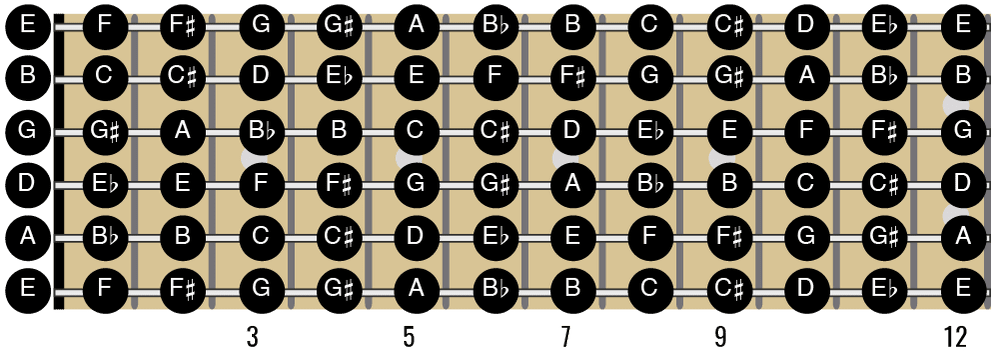
Sharp And Flat Notes On Guitar — Guitar Music Theory Lessons By Ry Naylor
www.rynaylorguitar.com
Sharp and Flat Notes on Guitar — Guitar Music Theory Lessons by Ry Naylor

