
Have you ever looked at a page of sheet music and thought, “I know the notes, but why does it still feel so slow and confusing”? That common observation is exactly where many learners get stuck. The good news is that reading faster isn’t only about memorizing symbols—it’s about training your eyes and brain to process music in meaningful chunks. With the right tricks, the page starts to feel less like a puzzle and more like a clear set of instructions.
Visual Learning: Speed Up Without Guessing
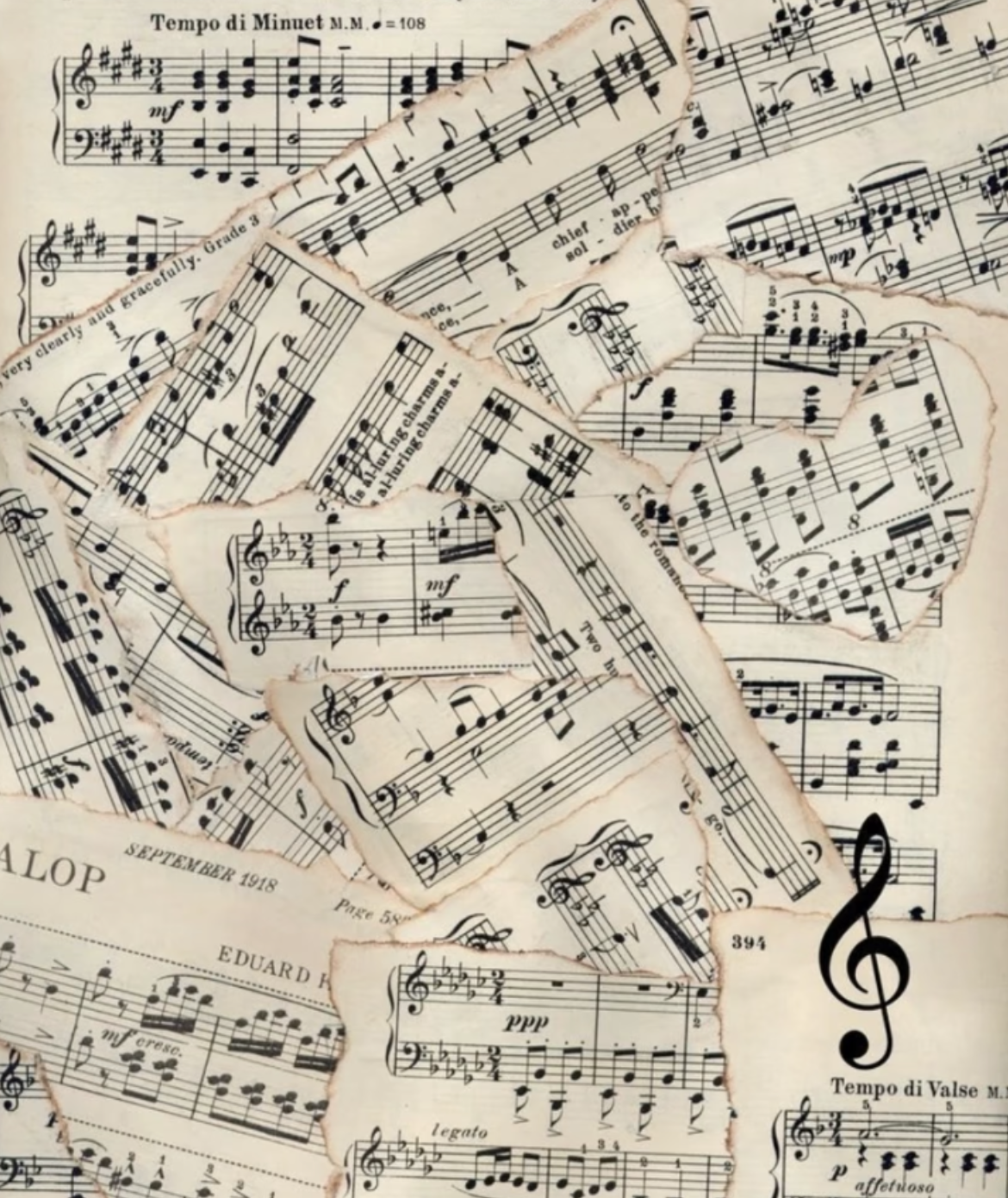
One of the fastest ways to read more fluently is to stop treating each note as a separate event. Instead, train your eyes to “scan” patterns: repeated intervals, common rhythms, and recurring melodic shapes. When learners slow down, it’s often because they’re decoding everything note-by-note. Deeper improvement comes when you learn to anticipate the next beat based on what the measure already signals. Try reading a few measures while clapping rhythms first, then return to pitch. This builds a rhythm-first mental map, which makes the staff feel less dense and more predictable.
Start With Fundamentals: Clefs, Tempo, and Structure

Many musicians can identify notes eventually, but they hesitate because they’re missing the “context layer” that tells them how to interpret the page. Pay attention to clefs and key signatures before you play anything. Then look at tempo markings—because tempo changes how you perceive note lengths. A half note at a slow tempo is not “long,” it’s time you can chunk and plan around. Another deeper reason reading feels hard is that your brain is trying to solve multiple problems at once: pitch name, rhythm duration, and musical meaning. Reduce that load by setting a quick goal: “For this pass, only read rhythm accurately.” Once rhythms become automatic, your eyes have fewer bottlenecks to overcome, and pitch reading speeds up naturally.
Chunking and Pattern Recognition: Think in Groups, Not Singles

Speed often increases when you stop reading “horizontal lines” of individual notes and start recognizing shapes. Melodies tend to move by intervals, and rhythms tend to repeat. When you practice, highlight recurring patterns: a familiar figure in the right hand, a repeating bass pattern, or a set of note groupings that spans an entire phrase. This is where fascination grows for many musicians—the staff begins to reveal musical grammar. Once you can feel phrase boundaries, you can read ahead because you’re no longer anchored to the next single note; you’re tracking where the music is going.
Use Proven Fast-Reading Moves: Focus on Sharps and Flats

Key signatures and accidentals are a common source of delay. If you spend time “re-checking” what a sharp or flat changes, you lose momentum. Instead, practice key signatures until your understanding becomes instant, not interpretive. A deeper takeaway: your brain reads best when it can store information in compact form. If each note requires a separate confirmation, your working memory gets overloaded and your eyes stall. Train yourself to recognize the key signature at a glance, then commit to reading through it. When an accidental appears, treat it as a short exception—read it, apply it, and return to the baseline expectation immediately.
Accidentals in Context: Sharps and Flats Become Faster Signals

Another trick for speed is mastering the logic behind the order of sharps and flats so the staff becomes easier to “decode.” When you know the sequence, you can determine notes in the key quickly and confidently. This reduces the need to pause and mentally reconstruct the key every time you see a note position. But speed isn’t just recognition—it’s also comfort. The more your eyes trust the system, the more likely you are to read ahead by a beat or two, which is crucial for smooth playing. Practice with a simple routine: scan the key signature, identify the most likely chord tones, and then read the rhythm while your pitch decisions stay mostly automated.
Reading sheet music faster is less about sprinting through pages and more about building a smarter pathway: visual scanning, chunking patterns, confirming tempo and clef quickly, and using key signature logic to reduce hesitation. When those pieces click, sheet music stops feeling like a wall of symbols—and starts feeling like a language you can read at real musical speed.
If you are searching about How To Read Sheet Music – A Step-By-Step Guide – Musicnotes Now | PDF you’ve came to the right place. We have 10 Pics about How To Read Sheet Music – A Step-By-Step Guide – Musicnotes Now | PDF like How To Read Sheet Music Faster | PDF | Clef | Notation, How To Read Sheet Music Workbook | PDF | Tempo | Worksheet and also How To Read Sheet Music Workbook | PDF | Tempo | Worksheet. Here it is:
How To Read Sheet Music – A Step-By-Step Guide – Musicnotes Now | PDF

www.scribd.com
How To Read Sheet Music – A Step-By-Step Guide – Musicnotes Now | PDF …
How To Read Sheet Music Workbook | PDF | Tempo | Worksheet

www.scribd.com
How To Read Sheet Music Workbook | PDF | Tempo | Worksheet
How To Read Sheet Music Faster
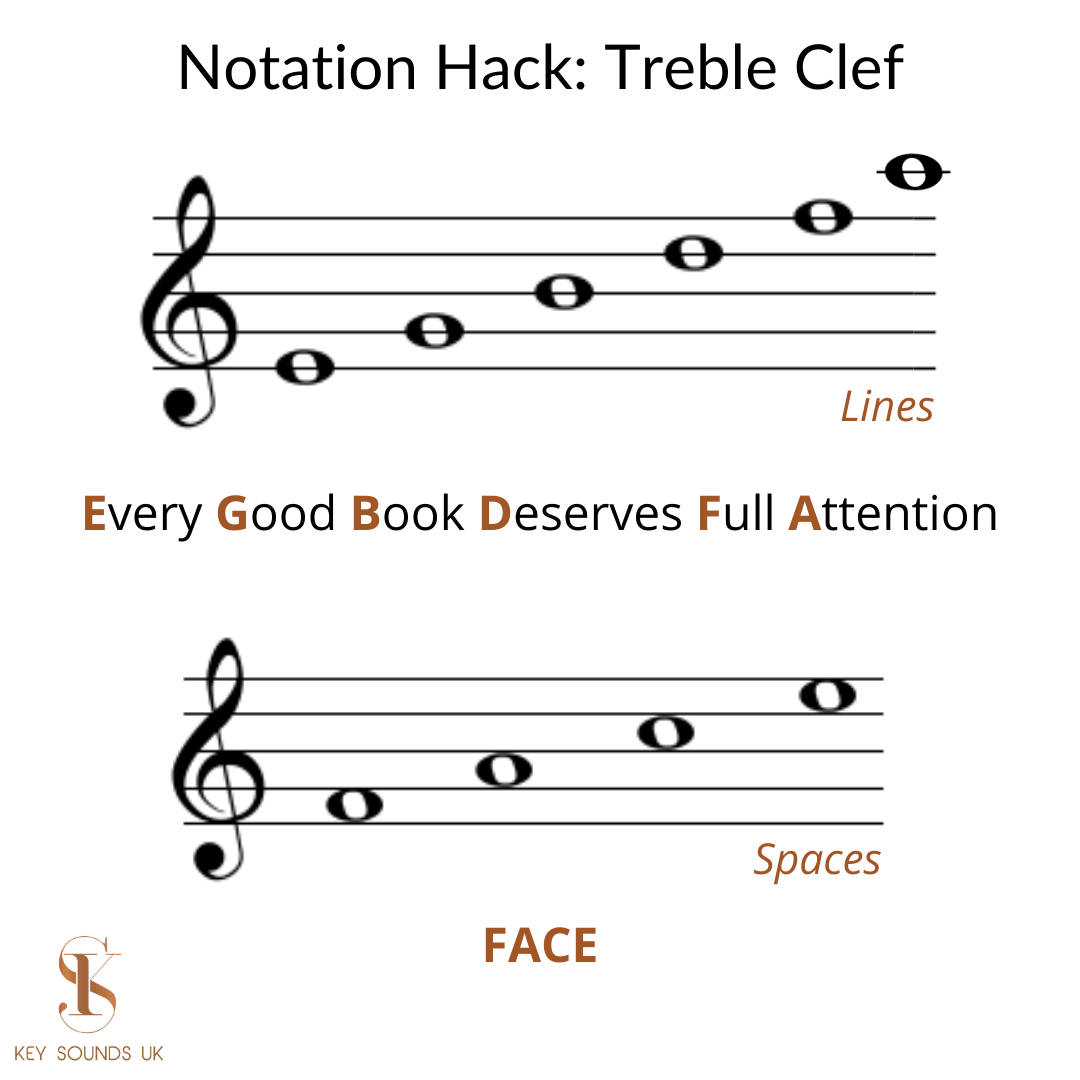
www.keysoundsuk.com
How to Read Sheet Music Faster
How To Read Sheet Music Faster
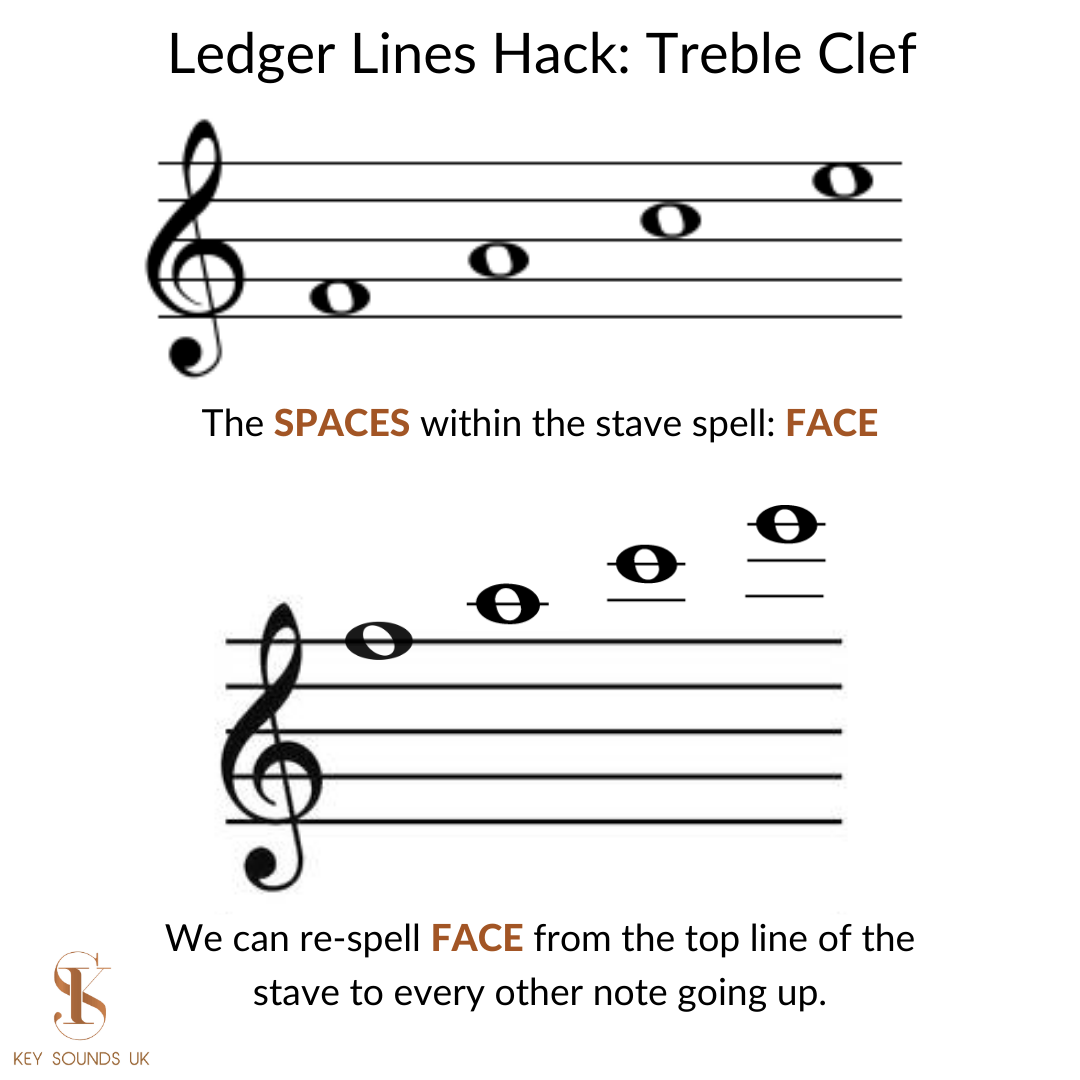
www.keysoundsuk.com
How to Read Sheet Music Faster
How To Read Sheet Music | PDF | Tempo | Clef
www.scribd.com
How to read Sheet Music | PDF | Tempo | Clef
How To Read Sheet Music Faster
www.keysoundsuk.com
How to Read Sheet Music Faster
8 Tips To Read Sheet Music Faster
enthu.com
8 Tips to Read Sheet Music Faster
How To Read Sheet Music Faster | PDF | Clef | Notation

www.scribd.com
How To Read Sheet Music Faster | PDF | Clef | Notation
Learn To Read Sheet Music Faster: Effective Techniques |SheetMusicGo
www.sheetmusicgo.com
Learn to Read Sheet Music Faster: Effective Techniques |SheetMusicGo
Unlocking Sheet Music: Speedy Reading Hacks Explained
pianochronicles.com
Unlocking Sheet Music: Speedy Reading Hacks Explained

