
Learning how to write sheet music can feel like decoding a secret language. Many people notice that it looks “simple” at first—just notes on lines—but quickly realize there are many rules behind the elegance. That’s the common observation: sheet music looks approachable, yet writing it correctly takes practice. The deeper reason it’s so fascinating is that notation is both a visual map and a precise instruction set—one that lets a composer communicate timing, pitch, expression, and structure across instruments, musicians, and even centuries.
Why Notation Feels Instant (and Why It’s Not)
When you first learn the staff, clefs, and note shapes, it’s tempting to think “I can just place notes anywhere.” But writing sheet music is more like choreography than drawing. Notes must align with rhythmic subdivisions, harmonies must imply function, and phrasing should guide the performer’s breathing and emphasis. Even for a beginner, understanding that notation serves two jobs—clarity and interpretation—helps you avoid the most common mistake: writing a melody without considering rhythm accuracy, bar structure, or how the line “speaks” on the instrument.
Begin with Rhythm: The Backbone of Written Music

Start your sheet music journey by committing to rhythm before pitch. Choose a time signature and practice writing measure lines first, then place note durations (whole, half, quarter, eighth, and so on). For instruments like tongue drums, rhythmic motifs are often the identity of the piece—notes are important, but the “grid” is what listeners and performers lock onto. A helpful hint: count aloud while you write, then tap the resulting pattern. If your written rhythm doesn’t feel stable when spoken, it won’t feel stable on the instrument.
Simple Melodies, Correct Notation: Avoid the “Looks Right” Trap
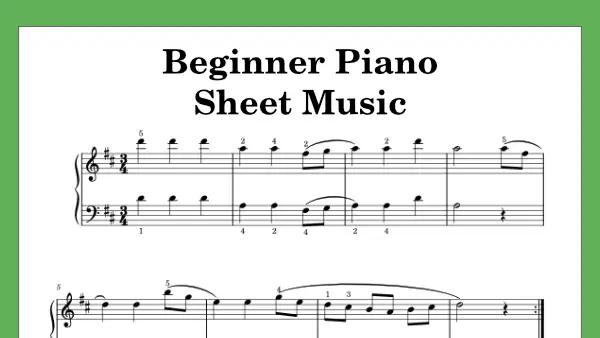
Easy piano sheets are a great training ground because they force you to handle the fundamentals together: clefs, key signatures, accidentals, octave choices, and consistent bar lengths. A common beginner challenge is writing notes that are musically sensible but not notationally consistent—like drifting meter, miscounting beats, or using accidentals inconsistently. The deeper reason this matters is that notation must be unambiguous. When you write correctly, musicians don’t have to guess: they can focus on expression instead of deciphering.
From Notes to Meaning: Dynamics, Articulation, and Expression
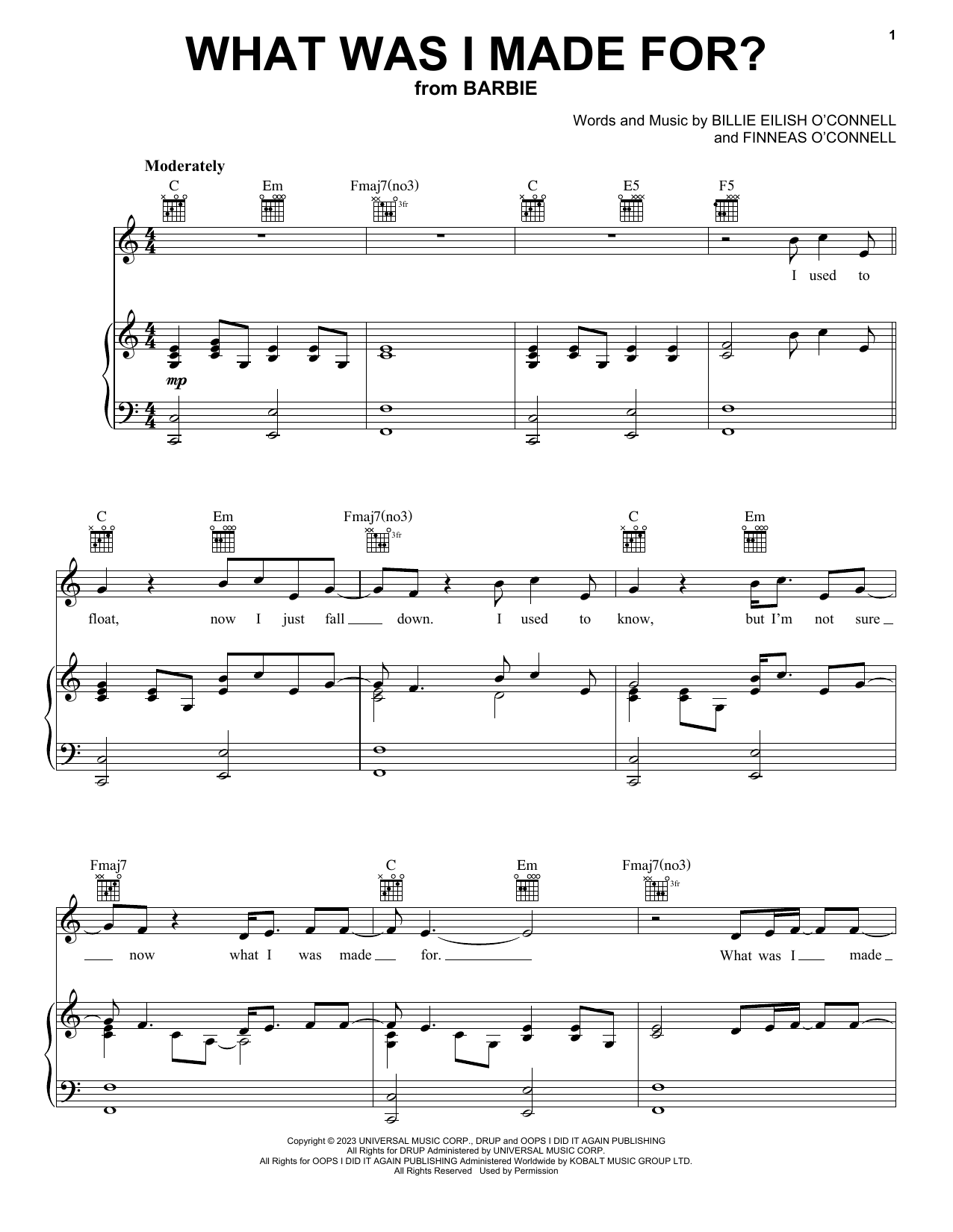
As you advance, the question becomes: not “Where do I put notes?” but “How do I make the music feel alive?” Add dynamics (p, mf, f), crescendos/decrescendos, and articulation (staccato, legato, accents). For many popular styles, phrasing and tone color are essential—two performers can play the same pitch sequence yet sound completely different based on how they shape rhythm and emphasis. Hint: before writing expression markings, decide the emotional arc of each phrase. If you can describe the intention in a sentence, you can usually translate it into notation.
Advanced Writing: Harmony, Voice-Leading, and Form

At the advanced stage, sheet music becomes architecture. You’re not only placing melodies—you’re shaping harmonic movement, planning voice-leading, and ensuring that form (verse/chorus, A/B/A, sonata-like sections, etc.) is visible to the performer. Practical hints include: write harmonic targets first (what chords and functions you want each bar to suggest), then refine inner lines and bass motion; use consistent phrasing marks to show cadences and transitions; and revise with a performer’s perspective. If your changes make the piece easier to read and more consistent to play through, you’ve likely improved both notation accuracy and musical communication.
Writing sheet music from beginner to advanced is ultimately about learning the “language constraints” of notation—then using those constraints to express your musical ideas. Keep practicing with rhythm first, add clarity through correct meter and spacing, and expand into expression and structure as your ear develops. Over time, the fascination you feel becomes a skill: the ability to turn sound into symbols that others can reliably bring to life.
If you are looking for From the Start Laufey – Sheet music for Soprano Saxophone you’ve visit to the right web. We have 10 Images about From the Start Laufey – Sheet music for Soprano Saxophone like Beginner Piano Sheet Music With Note Names – Infoupdate.org, Beginner Printable Steel Tongue Drum Sheet Music and also Gospel Song Jesus Loves Me: Beginner & Easy Piano, Plus Lead Sheets!. Here it is:
From The Start Laufey – Sheet Music For Soprano Saxophone

flat.io
From the Start Laufey – Sheet music for Soprano Saxophone
Heroine – PIKASONIC & Nakotanmaru Sheet Music For Piano (Solo

musescore.com
Heroine – PIKASONIC & nakotanmaru Sheet music for Piano (Solo …
Cryptography Great Cheat-sheet For CTF’s | By Rishav Anand | Medium

medium.com
Cryptography great cheat-sheet for CTF’s | by Rishav anand | Medium
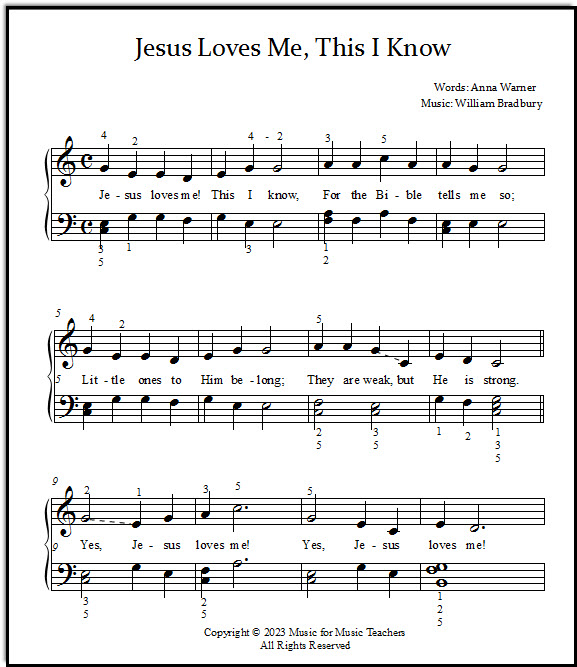
Gospel Song Jesus Loves Me: Beginner & Easy Piano, Plus Lead Sheets!
www.music-for-music-teachers.com
Gospel Song Jesus Loves Me: Beginner & Easy Piano, Plus Lead Sheets!
Beginner Printable Steel Tongue Drum Sheet Music
printable.mapadapalavra.ba.gov.br
Beginner Printable Steel Tongue Drum Sheet Music
Billie Eilish 'What Was I Made For' Piano Sheet Music, Chords, Lyrics
freshsheetmusic.com
Billie Eilish 'What Was I Made For' Piano Sheet Music, Chords, Lyrics …
Free Easy Beginner Piano Sheet Music
utpaqp.edu.pe
Free Easy Beginner Piano Sheet Music
Beginner Piano Sheet Music With Note Names – Infoupdate.org
infoupdate.org
Beginner Piano Sheet Music With Note Names – Infoupdate.org
Easy Piano Sheet For Beginners – Infoupdate.org
infoupdate.org
Easy Piano Sheet For Beginners – Infoupdate.org
SHINee – Our Page (네가 남겨둔 말) Piano Sheet PDF | Mymusic5
www.mymusicfive.com
SHINee – Our Page (네가 남겨둔 말) Piano Sheet PDF | mymusic5

