
Turning a song into sheet music sounds like a magical trick the first time you hear about it—how can something you already know by ear become printed notes on a staff? Many people start with a simple observation: “If I can listen to the song, I should be able to write it down.” And while that’s partly true, the process is more nuanced than it seems. Musical notation is not just a record of sound; it’s a structured way to capture pitch, timing, rhythm, harmony, and performance details. The fascination comes from watching that hidden structure emerge—sometimes even revealing patterns you never noticed while listening.
From MIDI to Sheet Music: When the Notes Are Already There
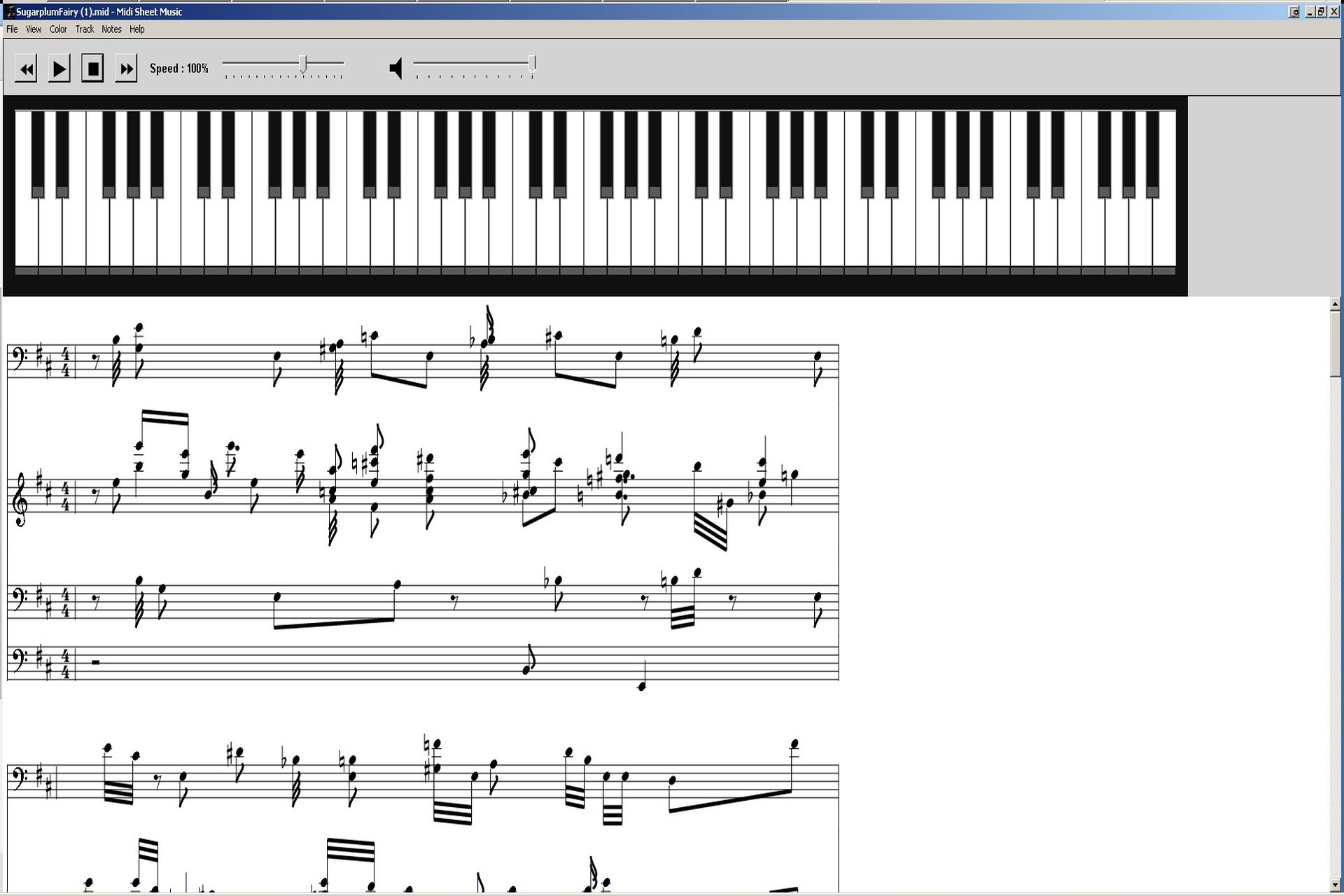
If your song exists as MIDI, you’re halfway there. MIDI already stores information like which notes play, when they start, and how long they last. Converting MIDI to sheet music usually involves importing the file into notation software, choosing a key signature and time signature, and letting the program “spell” the notes into readable notation. Why does this feel so satisfying? Because the transformation is direct: the computer is mapping structured note events into a visual language musicians read fluently. Even then, small choices matter—quantization (how tightly notes snap to the grid), handling sustain, and deciding how to represent repeated patterns can change the final look dramatically.
Transcribing Audio Into Sheet Music: Turning Sound Into Symbols

When you only have an audio recording, you’re dealing with the biggest challenge: turning continuous sound into discrete musical units. Transcription tools and services analyze frequency content to estimate pitch and rhythm, but real recordings include noise, reverb, overlapping instruments, and expressive timing. That’s why two different transcribers can produce slightly different sheet music for the same song. The deeper reason this is fascinating is that music is layered. You’re not just finding “what notes are there,” you’re deciding what the listener’s ear perceives as the main line—melody versus accompaniment, harmonic support versus individual instrumental parts, and even performance choices like vibrato or bends.
From Audio to Sheet Music: Figuring Out Rhythm, Notes, and Structure
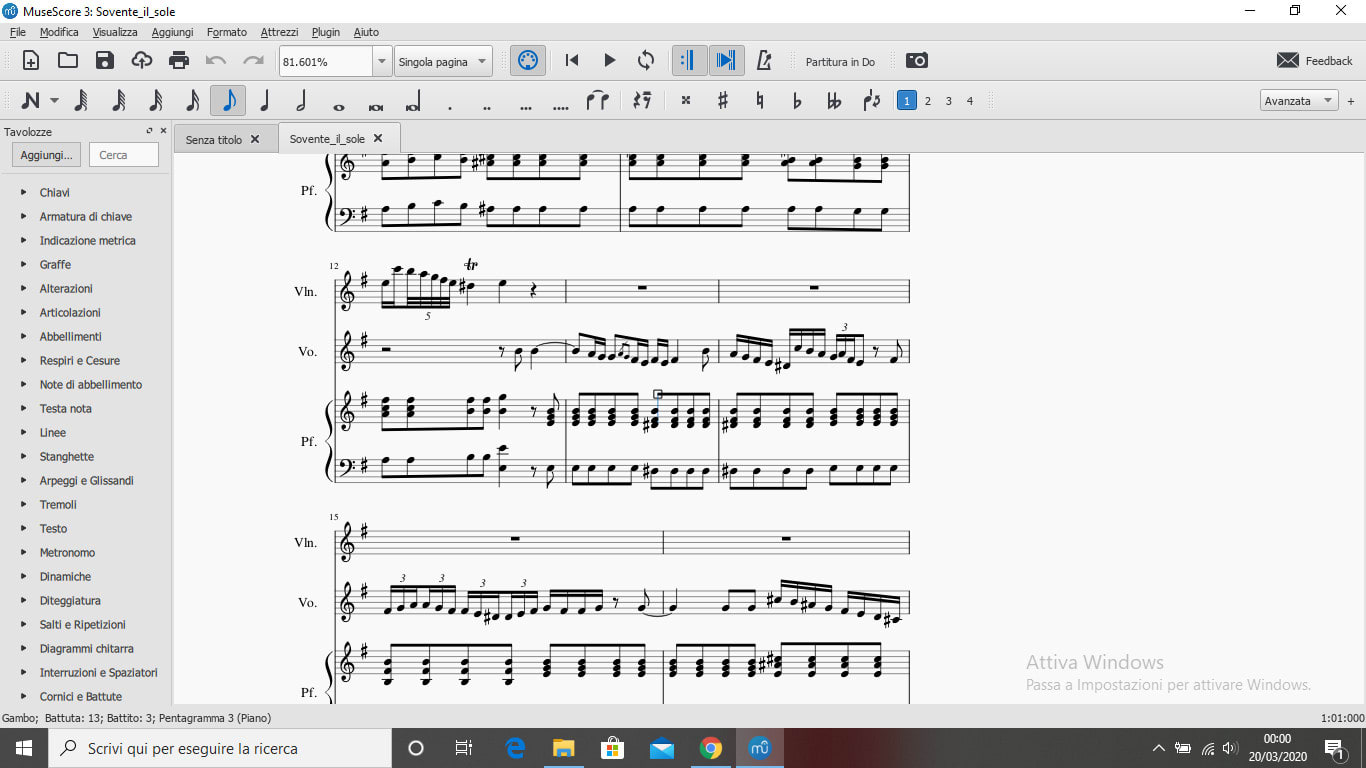
Once pitch is estimated, rhythm and structure become the next puzzle pieces. Many step-by-step workflows start by identifying the song’s tempo and time signature, then slicing the track into sections (intro, verse, chorus, bridge). From there, you can focus on one instrument or vocal line at a time. A helpful approach is to listen for repeating rhythmic cells—patterns that recur in melody or accompaniment—because those often reveal the underlying meter. The printed score will look “cleaner” when notes are grouped logically into measures and phrasing boundaries, even if the performance was expressive. In other words, sheet music isn’t just a mirror of audio; it’s an interpretation that organizes the music into a human-readable map.
Using a “Song into Story” Method: Planning Before You Transcribe

One common frustration during transcription is getting lost in details—writing notes before you know what you’re trying to capture. A practical workaround is to treat the song like a narrative: identify the main theme, note the “characters” (melody, bass, chord support), and outline how sections evolve. This helps you decide what should appear on the page and what can be simplified. For example, you might begin by writing only the melody and chord changes, then later add harmonies or counter-melodies. The deeper fascination here is cognitive: the moment you organize the song’s meaning, the notes become easier to hear. Your ears start searching for relationships—tension, release, repetition—rather than chasing every sound in the recording.
How to Learn Sheet Music: Make Your Transcription Readable
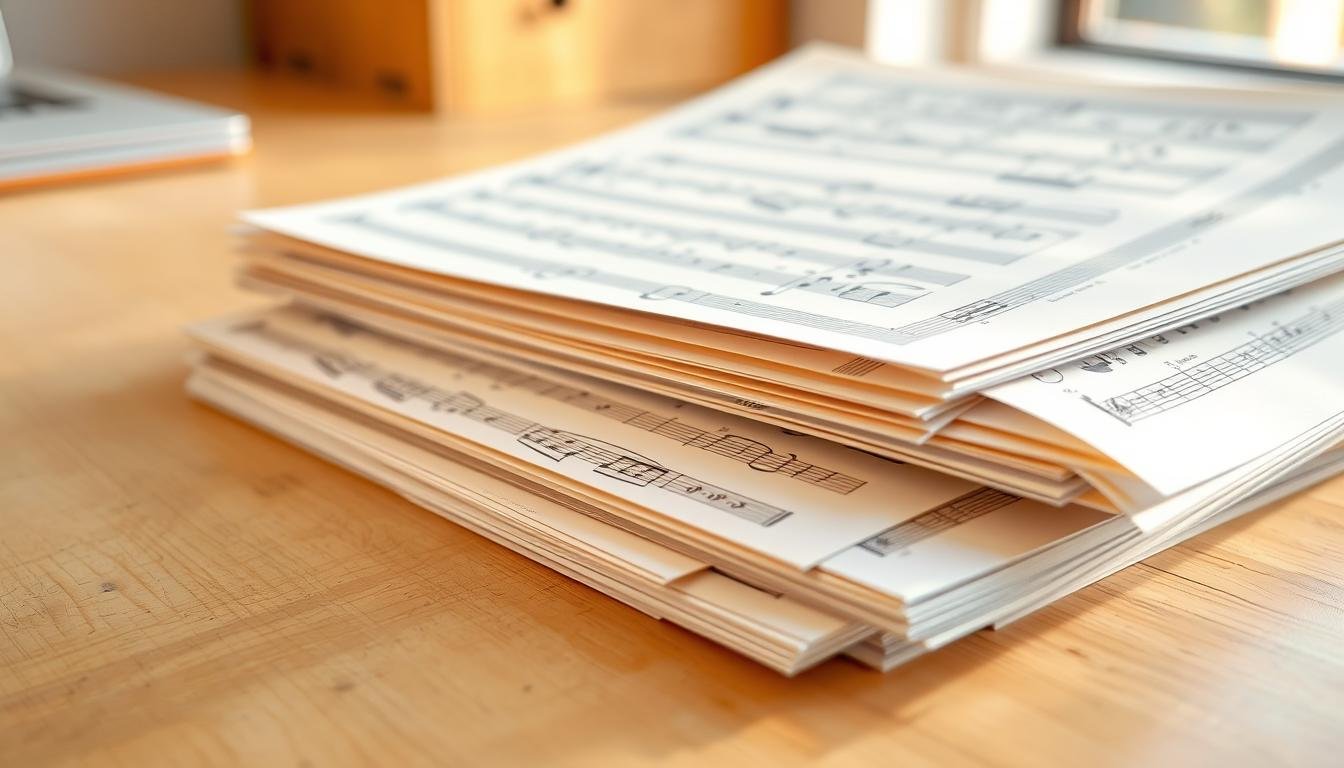
Finally, you don’t just want sheet music—you want usable sheet music. That means learning how notation communicates expression. Pay attention to measures, rests, dynamics, articulation, and any tempo markings. Even if your transcription software produces an initial draft, reviewing it with a musician’s eye will improve accuracy. If a rhythm feels off, check how notes are quantized; if pitches seem strange, confirm the key signature and whether you’re capturing the intended melodic line. Over time, reading skills make the process faster and more satisfying: you’ll start to recognize patterns instantly (common chord progressions, typical melodic shapes), and the song-to-score transformation becomes less like guesswork and more like discovery.
If you are searching about How to Learn Sheet Music: Step-by-Step Guide you’ve visit to the right place. We have 10 Pictures about How to Learn Sheet Music: Step-by-Step Guide like How To Turn Audio Into Sheet Music | Audiolover, How to Learn Sheet Music: Step-by-Step Guide and also How to Learn Sheet Music: Step-by-Step Guide. Here you go:
How To Learn Sheet Music: Step-by-Step Guide
elufuq.com
How to Learn Sheet Music: Step-by-Step Guide
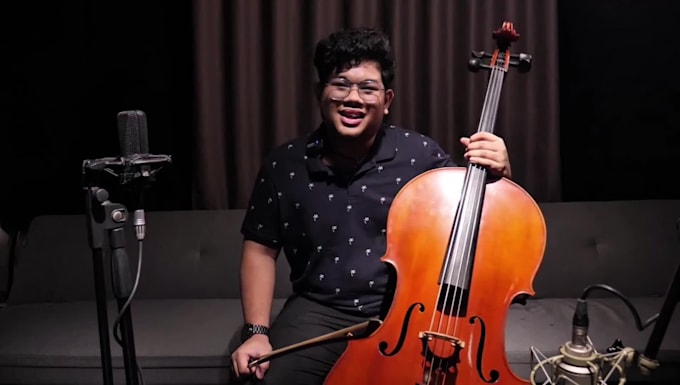
Transcribe Your Song Into Sheet Music Notation By Willocello | Fiverr
www.fiverr.com
Transcribe your song into sheet music notation by Willocello | Fiverr
Best Program To Convert Audio Into Sheet Music: A Guide
remusic.ai
Best Program to Convert Audio into Sheet Music: A Guide
Turn Song Into Story- Lesson Plan By EnglishTeacherFL | TPT

www.teacherspayteachers.com
Turn Song into Story- Lesson Plan by EnglishTeacherFL | TPT
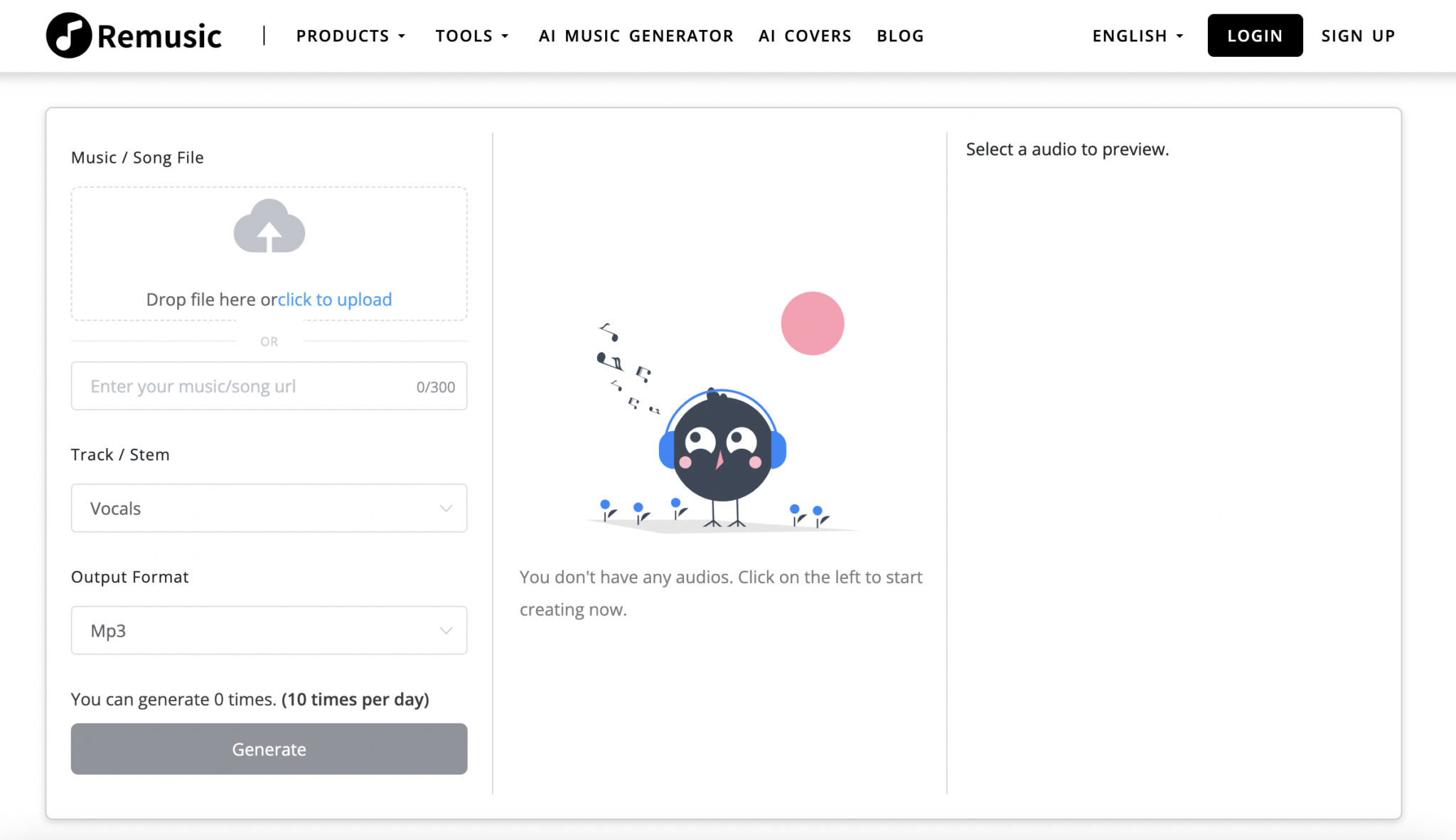
Best Program To Convert Audio Into Sheet Music: A Guide
remusic.ai
Best Program to Convert Audio into Sheet Music: A Guide
How To Turn Midi Into Sheet Music | Audiolover
audiolover.com
How To Turn Midi Into Sheet Music | Audiolover
How To Turn Audio Into Sheet Music | Audiolover
audiolover.com
How To Turn Audio Into Sheet Music | Audiolover
Turn Song Into Story- Lesson Plan By EnglishTeacherFL | TPT
www.teacherspayteachers.com
Turn Song into Story- Lesson Plan by EnglishTeacherFL | TPT
Transcribe Your Audio Into Sheet Music By Andrew_bukowski | Fiverr
www.fiverr.com
Transcribe your audio into sheet music by Andrew_bukowski | Fiverr
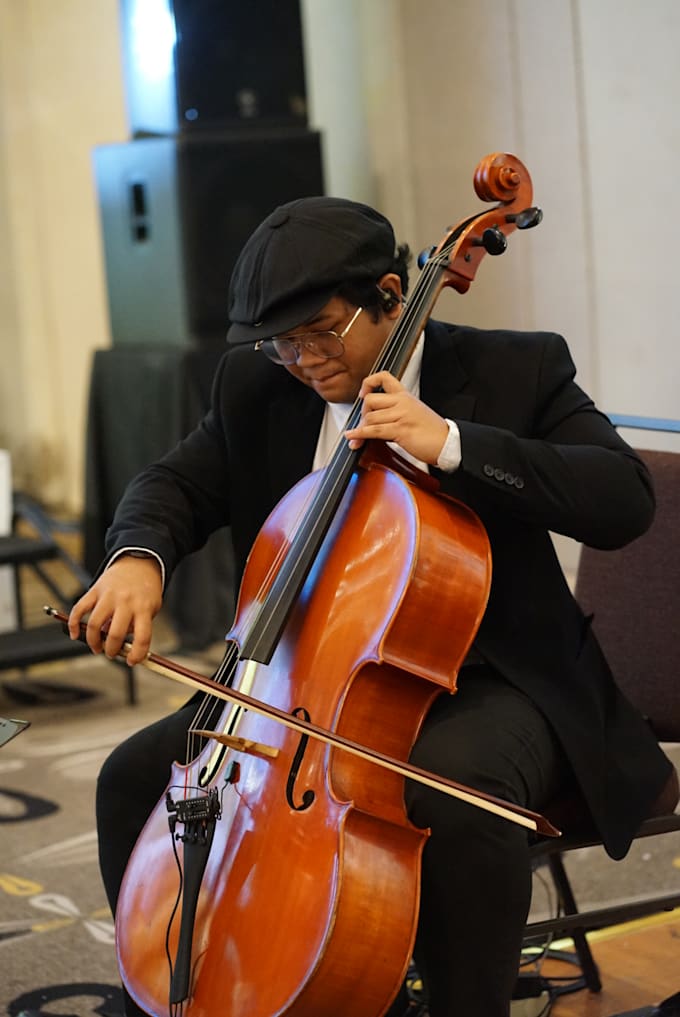
Transcribe Your Song Into Sheet Music Notation By Willocello | Fiverr
www.fiverr.com
Transcribe your song into sheet music notation by Willocello | Fiverr

