
Learning to read sheet music can feel intimidating at first—especially when you glance at those notes and wonder how anyone turns them into real melodies. A common observation is that sheet music looks “like a code,” and you might assume it’s only for trained musicians. The good news: it’s not a secret system, and you don’t need advanced theory to get started. In fact, the fastest progress usually comes from using a few simple tricks that make the symbols instantly meaningful. Once you can reliably identify pitch and rhythm, the fascination kicks in for a deeper reason: your brain starts predicting what comes next, and music becomes readable, not just audible.
Notice Patterns First: The “Which Notes Are Similar?” Trick

When people struggle with sheet music, it’s often because they try to decode every symbol from scratch. Instead, scan for patterns. Are there repeated notes? Stepwise motion (moving to a neighbor note) or bigger jumps? Think of a melody as a sequence of “moves” rather than a pile of individual dots. This connects to why sheet music is so fascinating: it invites you to search for structure. Even before you know every name, you can often feel whether the line moves gradually, leaps, or returns. A reliable habit is to mark your eyes to “group” notes in small clusters—like reading words in phrases rather than letter by letter.
Start With the Staff: Turn Lines Into a Map

The staff is your map. Before anything else, identify the clef (treble or bass). Then treat each line and space as a specific pitch position. One practical trick is to memorize only what you need first: for treble clef, start with a single anchor note and work outward. For example, if you know what note sits on a specific line, you can infer neighboring lines and spaces. Another effective method is “dry run” reading: silently point to the notes while counting time. You’re training two skills at once—where the note goes and when it happens—without getting overwhelmed by performance.
Read Rhythm With Clapping: Let Timing Do the Heavy Lifting

Rhythm is the part that makes sheet music feel like a puzzle—yet it’s also where simple tricks unlock confidence. A common reason beginners stall is that they try to learn pitch and rhythm simultaneously at full speed. Instead, separate them: clap or tap the rhythm alone using counts (like 1-2-3-4). Once the timing clicks, add pitch by matching each note to its rhythm position. Colored notes can help visually, but the deeper skill is learning that duration symbols (like filled noteheads, stems, and flags) determine how long you hold the sound. When you can count and tap consistently, reading becomes less about guessing and more about following an obvious timeline.
Use Easy Landmarks: Identify the Key Signature and Repeating Motifs

Key signatures can be confusing because they feel “extra,” but they’re actually a shortcut. They tell you how certain notes are adjusted across the entire piece. The trick is to treat them like rules you apply once, not details you reconsider every bar. After that, look for motifs—small recognizable patterns that return. When you spot a motif, you don’t start from zero again; you reuse what you already understood. This is a major reason musicians stay fascinated: the score isn’t random. It repeats, develops, and transforms, and the reading process becomes a kind of detective work—confirming patterns you expected to hear.
Label Notes Mentally: The “One Bar at a Time” Method That Prevents Overwhelm
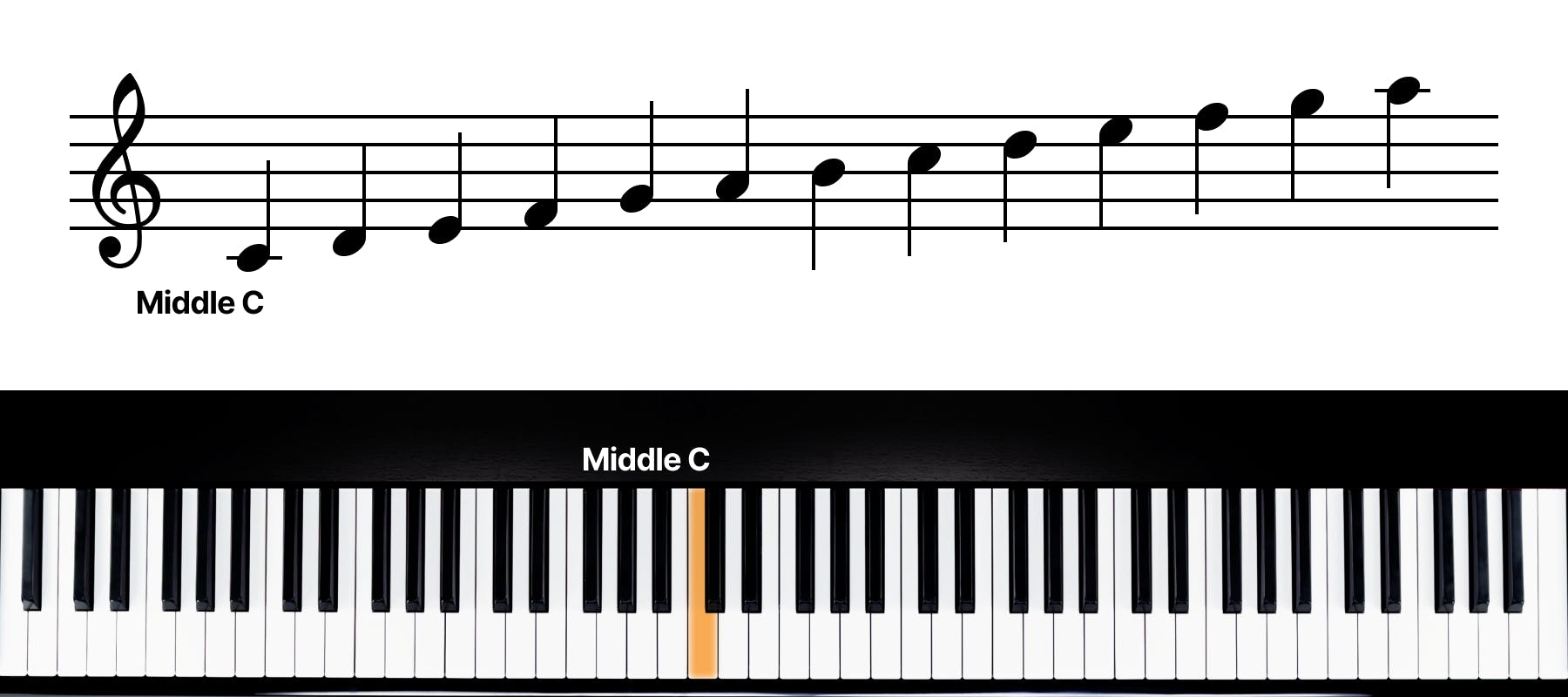
If you only remember one strategy, make it this: read one measure at a time. Don’t judge the entire page—focus on the next bar like it’s a small mission. Start by identifying the starting note, then track the direction of movement (up, down, repeated, or jumping). If you’re learning piano, the “labeled reference” approach—like anchoring middle C and mapping outward—helps connect staff positions to keyboard keys quickly. Over time, you’ll stop translating consciously and start recognizing. That’s the real transformation: sheet music stops feeling like code and starts feeling like a language you can read at sight.
With these simple tricks—spot patterns, map the staff, clap the rhythm, use key landmarks, and read one bar at a time—you can make sheet music far more approachable. And as you gain accuracy, the deeper fascination grows: your eyes and mind begin to “hear” the music before you play it, turning symbols into sound with growing confidence.
If you are searching about Piano Sheet Notes Explained – Infoupdate.org you’ve came to the right web. We have 10 Pics about Piano Sheet Notes Explained – Infoupdate.org like girl-tests-the-10-most-popular-beauty-tricks-find-out-which-tricks, How to Read Sheet Music: For Beginners and also Printable Music Notes Sheet Music – Free download and print for you.. Here you go:
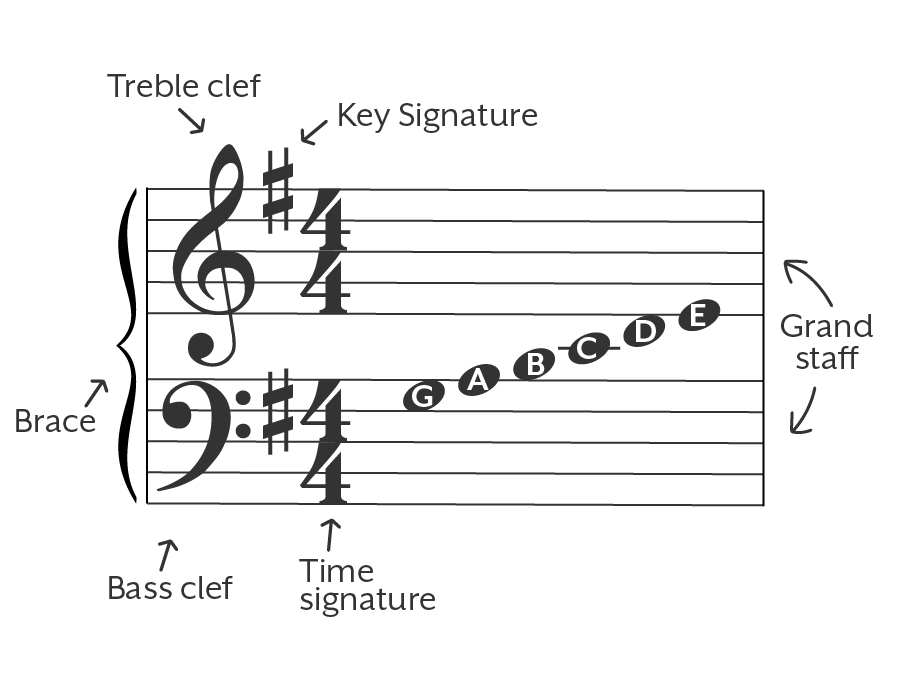
Piano Sheet Notes Explained – Infoupdate.org
infoupdate.org
Piano Sheet Notes Explained – Infoupdate.org
How To Read Notes On Piano Sheet Music

ravens.nckl.gov.kh
How To Read Notes On Piano Sheet Music
Printable Music Notes Sheet Music – Free Download And Print For You.
printablelib.com
Printable Music Notes Sheet Music – Free download and print for you.
How To Read Sheet Music: For Beginners

www.musicnotes.com
How to Read Sheet Music: For Beginners
Sheet Music Notes Cheat Sheet At Matthew Clegg Blog

storage.googleapis.com
Sheet Music Notes Cheat Sheet at Matthew Clegg blog
Piano Sheet Music Notes Labeled: Learn To Play Your Favorite Songs With
khoaluantotnghiep.net
Piano Sheet Music Notes Labeled: Learn to Play Your Favorite Songs with …
Music Notes Simple Fill Vector SVG Icon – SVG Repo
www.svgrepo.com
Music Notes Simple Fill Vector SVG Icon – SVG Repo
Simple Piano Sheet Music Ode To Joy Sheet Music For Piano: EASY
fity.club
Simple Piano Sheet Music Ode To Joy Sheet Music For Piano: EASY
Girl-tests-the-10-most-popular-beauty-tricks-find-out-which-tricks
www.womendailymagazine.com
girl-tests-the-10-most-popular-beauty-tricks-find-out-which-tricks …
Is Your Home Blocking Positive Energy? Try These Simple Tricks That

www.mypunepulse.com
Is Your Home Blocking Positive Energy? Try These Simple Tricks That …

